
Forex
15 Forex Strategies and Patterns for Beginners (and How They Fail)
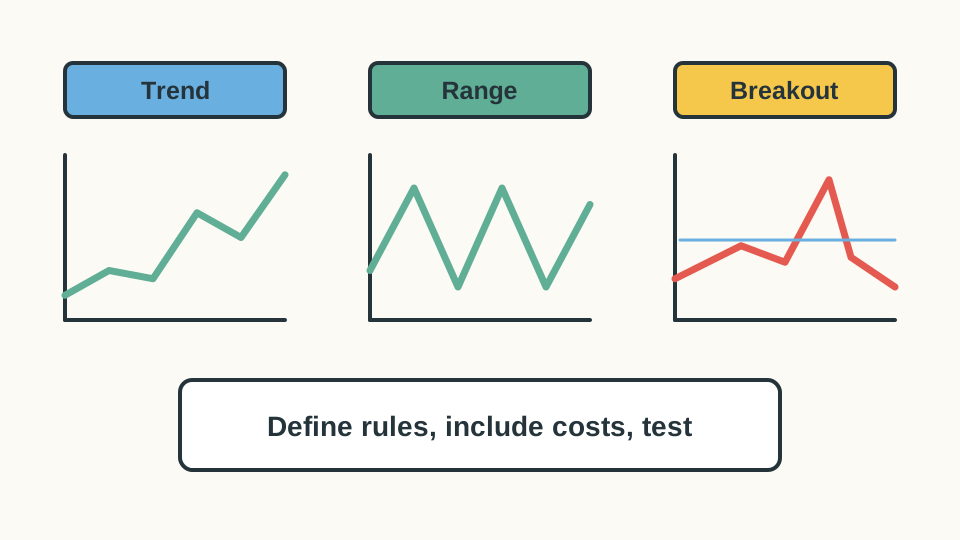
15 forex strategy ideas and chart patterns, from head and shoulders to carry trades: what each one bets on, how it fails and how to test one honestly.
On weekdays, forex trading moves around the world from Sydney to New York. Learn when each centre is busy, how to convert the times, and why weekends matter.
Forex has no single opening bell. Banks and firms trade with each other all over the world. The New York Foreign Exchange Committee describes this trading as continuous. On weekdays, the busy part of the day moves from Asia to Europe to North America.
Retail platforms often call this 24 hours a day, 5 days a week. For example, many forex brokers open trading at about 5 p.m. on Sunday and close at 5 p.m. on Friday, New York time. On Sunday evening in New York, it is already Monday morning in Sydney.
Exact hours, daily breaks and holiday hours belong to your provider and product. Currency futures on an exchange keep their own hours. CME Group publishes its trading and holiday hours, for example.
Traders split the forex day into four , named after big financial centres: Sydney, Tokyo, London and New York. A session is roughly the working day of the banks in that region.
The sessions overlap. In northern summer, London is busy from about 07:00 to 16:00 , and New York from about 12:00 to 21:00 UTC. So for about 4 hours, both are at work.
UTC is the world's reference time, and it does not change in summer. Treat session times as a rough map, not a timetable. They move when clocks change, and nobody rings a bell at the start.
Try it yourself
Drag the time handle around the 24-hour clock. Find the hours when London and New York are both open. Your own local time is shown too.
In UTC, northern summer: Sydney about 21:00 to 06:00, Tokyo 00:00 to 09:00, London 07:00 to 16:00 and New York 12:00 to 21:00. London and New York overlap from 12:00 to 16:00 UTC, which is 08:00 to 12:00 in New York. Times shift with daylight saving.
What would you expect?
What this shows: Forex trading passes from city to city. London and New York overlap for about 4 hours: busier, but not automatically better for you.
More banks at work can mean more competing prices. It can also mean faster moves when news lands. Check the spread on your own platform at the times you could really trade.
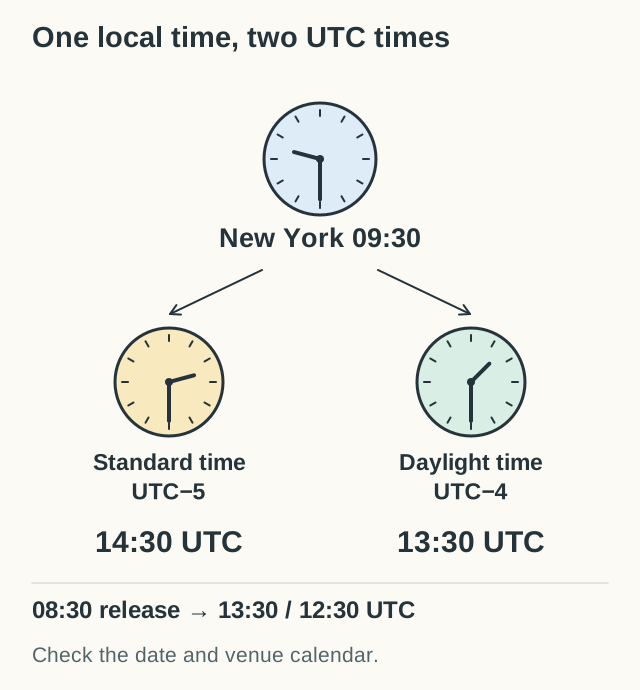
Time zones cause many mistakes. ET means New York local time, which changes between winter and summer. EST means winter time only: UTC minus 5 hours. If you use EST all year, your summer plans will be an hour off.
London also changes its clocks, but not always on the same dates as North America. Tokyo does not change its clocks at all.
| Where you are | New York winter | New York summer |
|---|---|---|
| New York or Toronto | 08:30 | 08:30 |
| UTC | 13:30 | 12:30 |
| Vancouver (from November 2026) | 06:30 | 05:30 |
| London | Check the date | Check the date |
Clock rules change, too. British Columbia stopped changing its clocks in 2026. So from November 2026, an 08:30 New York report lands at 06:30 in Vancouver, not 05:30.
Australian readers, take extra care. A New York morning report can land on your next calendar day, and daylight saving differs between Australian states. Put each event in your calendar with its own named time zone.
There is no single best hour. When Europe and North America are both at work, many big currencies get attention at once. That can mean more competing prices. But busy is not the same as calm. A surprise announcement can bring fast moves and worse prices.
Instead of trusting a rule, compare the for your pair and provider at the times you could actually trade. A trade idea that looks fine on a chart can lose money once you pay the spread.
You may read that Fridays are quiet or that midweek is best. Be careful with rules like these. One big scheduled report can matter more than the day of the week.
Scheduled reports can move prices more than the clock does. The US jobs report schedule and the Federal Reserve meeting calendar give official dates and times. Check the source page, because schedules can change.
For EUR/USD, watch both sides: news from the euro area and news from the US. A holiday in one country does not close the whole market. But with fewer people trading, prices and spreads can change. A London bank holiday can matter even if you live in Canada.
News does not stop at the weekend, but most trading does. So Monday's first price can be far from Friday's last one. That jump on the chart is called a .
Here is a real example. France held the first round of its presidential election on Sunday 23 April 2017. When trading restarted, the euro jumped about 2% against the US dollar, and it was still up more than 1% later that day. Anyone who had sold EUR/USD before the weekend began the week with a sudden loss.
Holidays, outages and very quiet hours can cause the same problem. To see how different orders behave in a gap, read market, limit and stop orders.
Often, yes. Many providers charge or pay a financing amount when a trade stays open past a daily cut-off time. The time, the fee and the weekend rules are in your contract. Even a trade held for a few minutes across the cut-off can be charged.
Closing every trade before bed is not a full plan, though. The market does not care about your bedtime.
A simple routine helps more. Pick one pair, a short time to watch and a calendar reminder. Note your local time, the chart's time, the spread and any news. Do this on a normal day and on a news day, without placing a real trade. Spreads differ by provider too, so compare them in our forex broker guide.
Next lesson: what influences exchange rates, so you can make sense of the news on your calendar.
Many retail providers close from Friday evening to Sunday evening, New York time. News still happens at the weekend, so Monday's first price can jump away from Friday's last price.
It depends on your provider. Many open around 5 p.m. New York time on Sunday, which is Monday morning in Sydney. Check your own platform's hours, including holidays.
Roughly from 8:00 to 12:00 New York time, or 12:00 to 16:00 UTC in northern summer. For a few weeks a year, the US and the UK change their clocks on different dates, so check the exact date.
15 forex strategy ideas and chart patterns, from head and shoulders to carry trades: what each one bets on, how it fails and how to test one honestly.
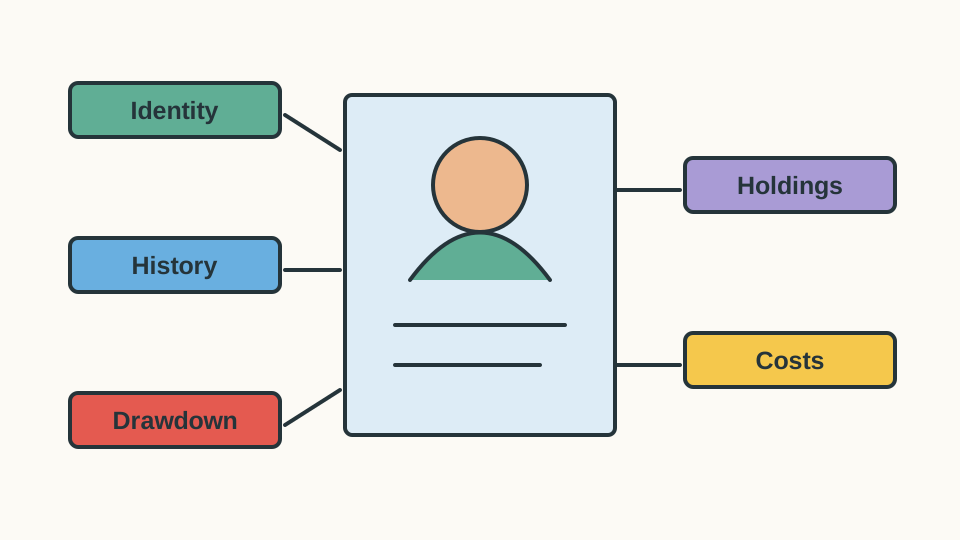
Find better eToro traders to copy in 5 steps: check the record, the deepest fall, big bets, the risk score and who gets paid, before you risk money.