
Trading skills
Social Trading for Beginners: Real Benefits and Hidden Risks
What is social trading? Learn how feeds, signals and copy trading differ, what you can really learn from other traders, and how to spot a bad tip.
Bill Lipschutz, George Soros, Bruce Kovner, Stanley Druckenmiller and Paul Tudor Jones are big names in trading history. Learn what their careers show, and why one famous win is only part of a story.
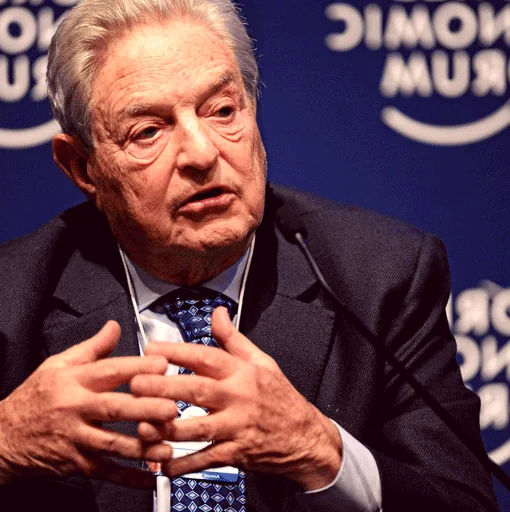
These five worked inside big banks and funds, with teams and money most traders do not have.
In 2017, our old article called five people the greatest forex traders ever: Bill Lipschutz, George Soros, Bruce Kovner, Stanley Druckenmiller and Paul Tudor Jones. They are some of the best-known names in currency trading. But nobody can rank them fairly.
A fair ranking would need the same facts for each person: gains, losses, borrowing, fees and how much money was at risk. Those full records are rarely public. Their jobs were also very different. A trading desk at a bank, a big fund and a private family office do not work the same way.
Most of them are : they bet on big economic forces, such as interest rates, inflation and politics. And any "greatest" list has a hidden problem. We hear far more about traders who won than about the many who lost. That is called .
George Soros is linked with the 1992 crisis, when the British pound left the (the Exchange Rate Mechanism). The ERM was a system that kept European currencies within set limits against each other.
The Bank of England's own account records that the UK suspended the pound's ERM membership on 16 September 1992. That came after the Bank had bought large amounts of pounds to try to hold up the price.
The lesson is about the limits of a government promise. A promise to hold a currency at a certain level is not the same as an unlimited power to do it. That does not mean betting against every central bank is wise.
Popular stories quote huge profit and wealth figures for this trade. We could not check them against audited records, so we leave them out.
Try it yourself
Watch the price move in chunks. At each pause, choose Hold or Sell. At the end, compare your result with holding all the way.
Holding a $1,000 bet through a 20% drop means watching it fall to $800, with no way to know if it will come back. From $800, it needs a 25% rise just to get back to $1,000.
What would you expect?
What this shows: In real time you never know the ending. Famous trades look obvious only because the story is told after the result is known.
Anyone holding a big position faces drops like these without knowing what comes next. The stories we read rarely show the doubts, the losing bets or the size of the risk.
Stanley Druckenmiller founded his firm, Duquesne, in 1981. From 1988 to 2000 he also worked at Soros Fund Management, where he was a lead portfolio manager of the Quantum Fund. That is how the Economic Club of New York introduced him in 2019.
The club published the full text of that 2019 talk. A full text is better than a short quote passed around online. You can see the date, and the question he was answering.
Try this whenever you read a famous trader's words. Is it about a past decision, a view at that moment, or a general rule? An opinion from 2019 may not be his view today. Changing your mind when the evidence changes is part of the job.
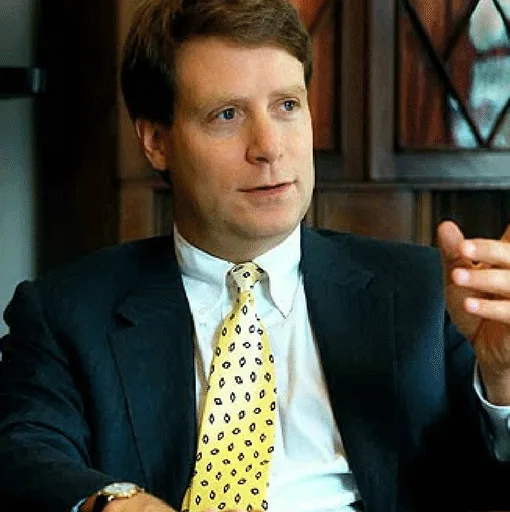
The Hathersage website has a short life story of Bill Lipschutz. It says he worked at the bank Salomon Brothers from 1982 to 1990. His work there was in currencies and currency .
A popular story says he turned a small sum left to him by his grandmother into a fortune, and quotes a huge yearly profit figure. We could not check either, so treat them as legends, not facts.
His career is a good reminder to check the tool before the lesson. An option gives the right, but not the duty, to buy or sell at a set price before a set date. You pay for that right up front. That works very differently from simply swapping one currency for another at today's price, which is called a .
Bruce Kovner's own biography says Caxton Associates was formed in 1983, and that he retired as its CEO in 2011. Tudor's own history says Paul Tudor Jones founded the firm in 1980. It describes a business where many managers invest money.
Stories often make one person the hero. In real life, a big fund has teams for research, trading, operations and risk control, plus enough money to survive bad months. A person trading alone on a phone has none of that.
Tudor Jones is often said to have caught market tops and bottoms for quick, low-risk profits. Catching turning points is neither simple nor low-risk. When you read about any famous trade, ask which risks were taken before anyone knew how it would end.
Make a small case file for any famous trade, with five lines:
Keep the life story separate from checked investment results. A firm's own history and a person's own account are useful, but they are not independent proof of performance.
For the market events behind stories like these, see the big market events of 2017 and what moves exchange rates.
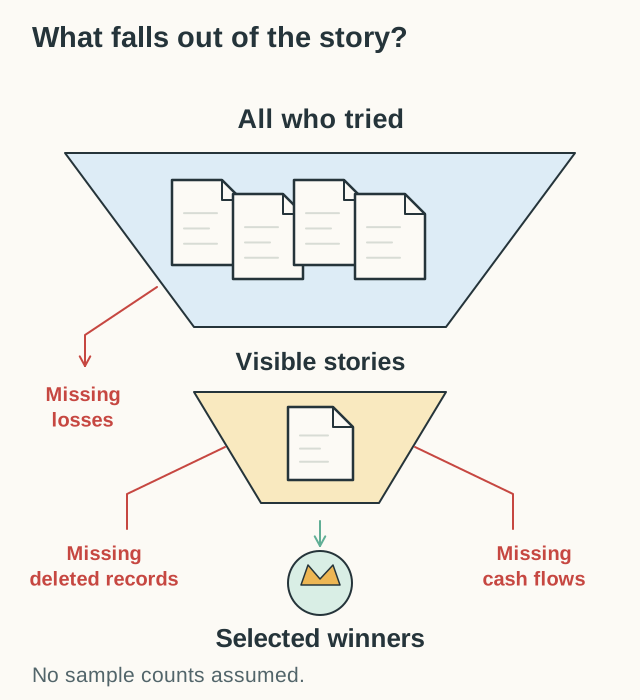
Nobody can say fairly. Careers differ in size, borrowing, fees and length, and full checked records are rarely public. George Soros is probably the best known, because of the 1992 pound crisis, but fame is not the same as a complete record.
Not really. They worked with large teams, research, financing and risk controls, and their famous bets used sizes and tools a beginner does not have. You can copy one habit: asking what could go wrong before you trade.
A trader who bets on big economic forces, such as interest rates, inflation and politics. Macro traders often trade currencies, bonds and stock indexes.
What is social trading? Learn how feeds, signals and copy trading differ, what you can really learn from other traders, and how to spot a bad tip.

Seven daily trading habits for beginners: plan before you trade, size from your stop, check the calendar, know your orders, count costs and review.