61% of retail investor accounts lose money when trading CFDs with this provider.Copy Trading does not amount to investment advice. The value of your investments may go up or down. Your capital is at risk.
Past performance is not an indication of future results.
Who would you trust more to fly an airplane: someone who has logged 1,000 hours in a simulator and has equal experience in real flying, or someone who has only logged 50 hours in a simulator? The answer is certainly obvious. Simulator training is an essential aspect of both professions, allowing pilots and traders to hone their skills and prepare for real-world scenarios without the risk of failure.
Imagine being able to fly through a storm or execute a trade during a market crash, all while sitting comfortably in your room. It’s a stress-free way to learn. And the best part? No one will judge you for crashing the plane or losing money in a simulated trade.
As Warren Buffett wisely said, “Risk comes from not knowing what you’re doing.” Utilizing stock market simulators helps you understand market dynamics without the fear of losing real money. Curious about where these games came from? Here’s the history of the stock market game.
So, without further ado, let’s dive into the best stock trading simulators available in 2026. ⚡
🥇Best Overall Stock Market Simulator – The Trading Game – Download
The Trading Game is a stock market game and trading simulator for beginners, trusted by over 2.4 million students worldwide. Their comprehensive stock school and simply explained strategies help you build competence fast.
Quick facts
🤹 Available assets: 100+ stocks, 50+ cryptos, 30 currency pairs, 20 commodities, 10 indices
eToro is a multi-asset investment platform. The value of your investments may go up or down. Your capital is at risk.
An eToro demo account gives you a simulated balance to explore copy trading, feeds, and watchlists. If social learning motivates you, go deeper with our guides on social trading benefits and finding the best traders on eToro.
Quick facts
🤹 Assets: 3,000+ across stocks, ETFs, crypto, commodities and more
🛠️ Indicators: 100+
⏰ Time frames: 1m to 1W
Best for: Beginners and pros who like crowdsourced ideas
👍 What we liked
Unlimited demo to practice until you’re comfy.
Copy trading and stats to evaluate leaders.
Broad asset coverage and education.
👎 What we didn’t like
No dedicated desktop app.
Some features unlock on real accounts only.
Our verdict
Friendly interface and social-first learning. “It’s better to hang out with people better than you…” — copy trading, but do it thoughtfully.
eToro’s unique social trading experience
Use the demo to study traders’ drawdowns and risk scores. Cross-check with your own backtests to avoid chasing short-term luck. Tiny tweak, big results.
TradingView is the go-to for deep charting and Pine Script strategy work. If you’re stepping from demo to live, review risk-reward math and compare mobile trading apps for actual execution.
Quick facts
🤹 Assets: Stocks, forex, crypto, futures, indices and more
🛠️ Indicators: 100+ built-in plus unlimited custom scripts
⏰ Time frames: 1 second to monthly
Best for: Pro traders and tinkerers
👍 What we liked
Powerful charting, alerts, screeners.
Massive community for shared ideas.
Broker integrations for routing.
👎 What we didn’t like
Can overwhelm newcomers.
Advanced features require a paid plan.
Our verdict
For chart-heavy workflows, TradingView delivers alot of value. “Price is what you pay. Value is what you get.” — tools that improve decisions usually pay for themselves.
TradingView’s advanced features for pros
Use multi-timeframe confluence and log every trade. Boring habit, huge edge over time. Also, definetly keep a simple equity-curve chart to spot overfitting early.
For Great Trading Insights – Investopedia Simulator – Website
Investopedia’s simulator helps you practice stocks and options with structured lessons. Complement it with primers on market capitalization and bid vs ask so jargon doesn’t slow you down.
Quick facts
🤹 Assets: 6,000+ stocks and options
🛠️ Charting: Basic tools
⏰ Horizons: 1D, 1M, 3M, 1Y, 5Y
Best for: Beginners, intermediate traders
👍 What we liked
Trusted explainers and quizzes.
Good structure for self-paced learning.
Clear terminology support.
👎 What we didn’t like
No dedicated mobile simulator app.
Limited asset classes and short time frames.
Our verdict
Solid for fundamentals and vocabulary. “The more you learn, the more you’ll earn.” — still true.
Investopedia’s commitment to education
Interleave study and trading, dont cram. Short daily sessions beat weekend marathons for retention.
For Private Games with Friends – MarketWatch Virtual Stock Exchange – Website
Virtual Stock Exchange from MarketWatch lets you simulate trades with live prices and create private leagues for friends or classes.
👍 What we liked
Custom private games and rules.
Choose starting capital.
Interface improvements in recent updates.
👎 What we didn’t like
Registration can feel lengthy.
Mobile UX could be better.
Our verdict
News plus a sandbox is a strong combo. “The stock market is a device for transferring money from the impatient to the patient.” — use leagues to train patience.
MarketWatch’s enhanced features
Rotate roles in your group: news curator, trade logger, risk checker. Small rituals beat random clicking over time.
How to choose the best stock market simulator
Evaluate:
Realism: Real-time data and realistic order handling.
Education: Lessons, quizzes, and guided paths.
Usability: Clean UI and simple navigation.
Customizability: Difficulty and rules you can tweak.
Social features: Leagues, chats, copy tools.
Mobile apps: Practice on the go.
Cost: Free tiers vs paid plans.
Reputation: Track record and community feedback.
Also check platform uptime and data quality. A stable sim on major events days is worth its weight in gold.
Why use a simulator
Learn safely: Build intuition without losing money.
Test strategies: Try momentum, value, pairs, or options ideas.
Understand volatility: See how news moves prices.
Low-cost reps: Skill building without fees.
Better decisions: Practice entries, exits, and sizing.
Fun sidenote: before apps, students played with newspapers and pencil entries. The idea is older than it looks.
Pros and cons
Pros:
Learn mechanics: Orders, spreads, slippage.
Risk-free practice: Gain experience without real losses.
Experiment: Iterate faster across ideas.
Cons:
Confidence bias: Emotions aren’t the same without money.
Simplifications: Some sims gloss over microstructure.
Conclusion
Simulators are the safest path to competence. Whether beginner or experienced, pick one that fits your goals and get reps. “Someone’s sitting in the shade today because someone planted a tree a long time ago.” Plant yours now. If you’re brand-new, start with our free course and the primer on starting to invest.
Can you name which currency pairs traders call “Barnie and Betty”? Yes, those from the Flintstones. If you can, well done! If not, don’t worry – the world of forex is filled with colorful slang, amusing nicknames, and insider language that makes the markets feel almost like a secret club.
Professional traders, financial journalists at Bloomberg and CNBC, and seasoned investors all use these nicknames daily. They’re not just fun – they actually make communication faster and help you think like a pro.
This guide will teach you every major currency nickname you need to know, where they came from, and why traders still use them today.
Complete List of Currency Nicknames Used by Pro Forex Traders
Here’s the master list of nicknames for the most popular currencies and pairs. These are used daily by professional forex traders and major media outlets like Bloomberg, CNBC, Investopedia, and the Financial Times.
Individual Currencies:
USD (U.S. Dollar) – Greenback or Buck
GBP (British Pound) – Sterling or Cable (when paired with USD)
EUR (Euro) – Fiber
CHF (Swiss Franc) – Swissy
CAD (Canadian Dollar) – Loonie
AUD (Australian Dollar) – Aussie
NZD (New Zealand Dollar) – Kiwi
NOK (Norwegian Krone) – Noki
SEK (Swedish Krona) – Stocky
JPY (Japanese Yen) – Yen (no common nickname alone)
Currency Pairs:
EUR/GBP – Chunnel
EUR/JPY – Euppy or Yuppy
EUR/USD – Fiber (same as Euro alone)
GBP/USD – Cable
GBP/JPY – Gopher or Geppy
USD/JPY – Ninja or Gopher
USD/RUB – Barney
EUR/RUB – Betty
EUR/BTC – Nakamoto (less common, emerging)
These aren’t official terms – they evolved organically on trading floors, in dealing rooms, and through decades of market culture. Once you start using them, you’ll find they stick in your memory much faster than dry currency codes.
How Many Currencies Are in the World?
There are 180 currencies recognized globally by the United Nations. But in forex trading, only about 8-10 of them make up the vast majority of daily volume. The U.S. Dollar dominates as the world’s reserve currency, involved in nearly 88% of all forex transactions.
In terms of history, the British Pound is the oldest currency still in use today, with over 1,200 years of history. On the opposite end, the South Sudanese Pound is the newest, made official on July 18, 2011, when South Sudan gained independence.
Not all currencies are equally “tradable.” Many emerging market currencies have low liquidity, wide spreads, or restrictions that make them impractical for retail traders. That’s why the major pairs – the ones with nicknames – are where most of the action happens.
If you’re curious about diving into the real world of currency trading yourself, whether as a complete beginner or an experienced hand, you can practice risk-free with an interactive trading simulator. It’s one of the smartest ways to learn without losing actual money while you figure out what works.
Interactive Quiz: Test Your Currency Nickname Knowledge
Let’s see how well you know your forex slang. Try this quick quiz – answers revealed at the bottom!
Secret Currency Nicknames Quiz
1. What is the GBP/USD pair commonly called?
A) Fiber
B) Cable
C) Chunnel
D) Sterling
2. Which currency is nicknamed the “Loonie”?
A) AUD
B) NZD
C) CAD
D) USD
3. What do traders call the USD/JPY pair?
A) Sumo
B) Ninja
C) Samurai
D) Gopher
4. Which cartoon characters inspired the USD/RUB and EUR/RUB nicknames?
A) Tom and Jerry
B) Barney and Betty (Flintstones)
C) Mickey and Minnie
D) Fred and Wilma
5. Why is the Euro called “Fiber”?
A) It’s made from fiber optic cables
B) Reference to the cotton-polymer fiber in banknotes
C) Named after a European trader
D) It has no real meaning
Answers: 1. B) Cable | 2. C) CAD | 3. B) Ninja | 4. B) Barney and Betty | 5. B) Reference to the cotton-polymer fiber in banknotes
How many did you get right? 5/5 = Expert | 3-4 = Pretty good | 1-2 = Keep reading!
The Stories Behind the Currency Nicknames
USD – Buck & Greenback: From Deerskins to Dollars
The U.S. Dollar has two main nicknames, and both have surprisingly old roots. “Buck” comes from the frontier days when hunters and traders used buckskins – the hide of a male deer (a buck) – as a unit of exchange. Before paper money was widespread, deerskins had real value, and the name stuck even after currency moved to coins and bills.
“Greenback” appeared during the American Civil War in the 1860s. Both the Union and Confederate sides printed their own money, but the Union’s paper notes had a distinctive green ink on the back. People started calling them “greenbacks” to distinguish them from other forms of currency, and the name has lasted over 160 years.
When you hear a Bloomberg anchor say “the buck rallied today,” they simply mean the U.S. Dollar gained strength against other currencies. It’s shorthand that every trader recognizes instantly.
The green ink used on U.S. currency wasn’t just for looks. It was resistant to chemical tampering and hard to counterfeit with the printing technology of the 1800s. That practical choice gave the dollar one of its most enduring nicknames.
GBP – Sterling: The Metal That Built an Empire
The British Pound is officially called Pound Sterling, and that “Sterling” part refers to the silver standard the currency was originally based on. The word comes from “Easterling Silver,” a high-quality alloy used in medieval England. Over time, “Easterling” was shortened to “Sterling,” and the name stuck.
When financial news says “Sterling stumbled,” it means the Pound dropped in value – often triggered by political uncertainty, economic data, or events like major policy shifts. The currency has been around for over 1,200 years, making it the oldest continuously used currency in the world.
The metal thread you can still see woven into British banknotes today was introduced to combat counterfeiting. At the end of World War II, it was estimated that 1 in every 10 pounds in circulation was fake. The thread made forgery much harder and is still used as a security feature.
EUR – Fiber: The Modern Currency with a High-Tech Nickname
The Euro earned the nickname “Fiber” as a reference to the advanced cotton-polymer fiber blend used in Euro banknotes. Unlike older paper currencies, Euro notes are made with synthetic fibers that make them more durable and harder to counterfeit.
Some traders also see “Fiber” as a contrast to the old “Cable” (GBP/USD), representing the Euro as the newer, more technologically advanced currency of Europe. Either way, the name stuck, and you’ll hear it constantly on trading floors and financial news channels.
The name “Euro” was officially chosen in 1995, but the actual currency didn’t debut until January 1, 1999 – and even then, only as an accounting unit. Physical Euro coins and bills didn’t enter circulation until January 1, 2002, making the Euro one of the youngest major currencies in the world.
CAD – Loonie: The Bird That Became a National Symbol
In 1987, Canada introduced a new one-dollar coin featuring the common loon, a bird native to Canadian lakes and wilderness. The coin was immediately nicknamed the “Loonie,” and the name quickly extended to the currency itself.
Canadians embraced the nickname so completely that even the government and central bank use it in official communications. If you hear “the Loonie strengthened today,” it means the Canadian Dollar went up in value – often driven by oil prices, since Canada is a major energy exporter.
A single Loonie coin was secretly buried at center ice during the 2002 Salt Lake City Winter Olympics by an ice technician. Both Canadian hockey teams – men’s and women’s – went on to win gold medals. The coin is now in the Hockey Hall of Fame, and the story has become part of Canadian sports legend.
NZD – Kiwi: The Flightless Bird That Flies on Forex Charts
Half a world away, New Zealand uses the Kiwi bird – a small, flightless bird found nowhere else on Earth – as both a national symbol and a currency nickname. The New Zealand Dollar is universally called the “Kiwi” in forex markets.
When traders say “the Kiwi slipped,” they mean the NZD declined in value. New Zealand’s economy is heavily tied to agriculture and dairy exports, so the Kiwi often moves in tandem with global commodity prices.
New Zealand’s banknotes are actually printed in Canada and Australia, not locally. There have been rare reports of mix-ups where the wrong currency was shipped to the island nation – imagine opening a shipment expecting Kiwi dollars and finding Aussie notes instead!
USD/JPY – Ninja: The Silent Mover of Asian Markets
The Japanese Yen is unique because it trades at a much higher denomination than most other currencies. One U.S. Dollar equals roughly 140-150 Yen (as of 2025), which makes the math feel a bit different for new traders.
The USD/JPY pair is nicknamed the “Ninja” – partly because of Japan’s cultural association with ninjas, and partly because the pair can move suddenly and quietly during Asian trading hours. Some traders joke they also considered “Sumo,” but Ninja stuck.
This is one of the most liquid currency pairs in the world, and it’s heavily influenced by the Bank of Japan’s monetary policy and risk sentiment in global markets.
The Yen is considered a “safe haven” currency. When global markets panic, traders often buy Yen, causing USD/JPY to drop sharply. This makes the Ninja nickname even more fitting – it strikes when you least expect it.
EUR/GBP – Chunnel: When Two Economies Meet Underground
The EUR/GBP pair is called the “Chunnel,” named after the Channel Tunnel that connects the UK and France beneath the English Channel. The tunnel opened in 1994, and the Euro launched just a few years later in 1999, so the nickname felt natural.
This pair represents the economic relationship between the Eurozone and the United Kingdom – a relationship that became much more interesting (and volatile) after Brexit. Traders watch this pair closely during any UK-EU negotiations or economic data releases.
The Channel Tunnel took six years to build and cost over £9 billion. It’s one of the most impressive engineering projects in modern history, connecting two currency zones that have spent centuries both cooperating and competing.
AUD/USD – Aussie: The Commodity Currency Down Under
Australians love shortening words, and the AUD/USD pair is no exception – traders simply call it the “Aussie.” Australia exports massive amounts of iron ore, coal, natural gas, and other raw materials, making the Aussie a commodity currency.
When commodity prices rise (especially metals and energy), the Aussie often strengthens. When China’s economy slows (China is Australia’s biggest trading partner), the Aussie typically weakens. This makes AUD/USD one of the more predictable pairs if you follow global commodity markets.
Australia’s economy is so tied to commodities that forex traders often use the Aussie as a proxy bet on global growth. If you think the world economy is expanding, buying AUD/USD can be a way to profit from that view without directly trading commodities.
Currency trading can seem overwhelming at first, but these nicknames actually make it easier to learn and remember. Once you start thinking in terms of “Cable rallied” or “the Kiwi dropped,” the markets start to feel less abstract and more like a conversation between real forces.
Frequently Asked Questions About Currency Nicknames
What is the most commonly used currency nickname?
The most common is probably “Cable” for GBP/USD, followed closely by “Fiber” for EUR/USD. Both are used daily by professional traders and financial media worldwide.
Do all currency pairs have nicknames?
No. Only the most heavily traded pairs have widely recognized nicknames. Exotic pairs like USD/TRY (Turkish Lira) or EUR/PLN (Polish Zloty) don’t have established slang terms because they’re traded far less frequently.
Why do traders use nicknames instead of currency codes?
Speed and clarity. On a busy trading floor, saying “Cable’s up” is faster than “GBP/USD is rising.” Nicknames also create a shared language that helps traders feel part of a professional community.
Are these nicknames used globally or just in English-speaking markets?
They originated in English-speaking trading centers like London and New York, but they’ve spread globally. Non-English traders often learn these terms because English is the dominant language in international finance.
Can using currency nicknames help me become a better trader?
Not directly – your success depends on analysis, risk management, and discipline. But knowing the slang helps you understand market commentary faster and makes you sound more professional when discussing trades. It’s part of thinking like a trader.
What’s the difference between “Sterling” and “Cable”?
“Sterling” refers to the British Pound itself (GBP), while “Cable” specifically means the GBP/USD currency pair. You might hear “Sterling strengthened against the Euro,” but if someone says “Cable dropped,” they mean GBP/USD specifically.
Why is the USD/JPY called “Ninja” and not something else?
The nickname plays on Japan’s cultural imagery, but honestly, it’s somewhat arbitrary. Traders tried out several names, and “Ninja” stuck because it sounded cool and was easy to remember. There’s no official reason – it’s just market culture.
Do central banks or official institutions use these nicknames?
Rarely in formal communication, but yes in casual settings. You won’t see “Cable” in a Bank of England policy statement, but traders who work at central banks absolutely use these terms when talking amongst themselves.
Want to Start Trading Forex?
If this guide sparked your curiosity about currency trading, you’re not alone. Forex is the largest financial market in the world, with over $7 trillion traded every day. Whether you’re just starting or looking to refine your skills, having the right foundation makes all the difference.
Free Forex Trading Guide for Beginners
Learn everything from currency pairs and pips to risk management and trading strategies. This comprehensive PDF covers what took most traders years to figure out – and it’s completely free.
✓ No email required ✓ Instant download ✓ Beginner-friendly explanations
Currency nicknames might seem like a small detail, but they’re part of what makes forex trading feel like a real craft. The more you immerse yourself in the language, the faster you’ll start thinking like a professional trader – and that shift in mindset matters more than most beginners realize.
The forex market never sleeps – and neither should your trading edge. With daily volumes exceeding $7 trillion, the foreign exchange market offers opportunities around the clock, but catching them requires more than just luck. You need real-time market data, advanced charting tools, and the ability to execute trades instantly from anywhere. That’s where having the right forex trading app becomes your secret weapon.
Whether you’re testing strategies during your lunch break or monitoring positions from your couch, these mobile platforms transform your smartphone into a powerful trading terminal. But with dozens of apps promising to make you the next forex millionaire, how do you separate the genuine tools from the marketing fluff?
Top Forex Trading Apps for 2025: Quick Overview
After testing over 40 forex apps (yes, my phone storage suffered), here are the platforms that actually deliver:
🥇Best for Learning & Practice:GoForex – Risk-free simulator with $10,000 virtual funds
🥈Best for Social Trading: eToro – Copy successful traders automatically
🥉Best for Advanced Charts: TradingView – Professional-grade analysis tools
Best for CFD Trading: Plus500 – Simple interface, tight spreads
What Makes a Forex App Worth Your Time?
The ideal forex trading app combines simplicity with functionality, offering features like live charts, price alerts, and demo accounts. But that’s just the foundation. Here’s what separates the pros from the pretenders:
Essential Features Every Trader Needs:
Real-time price feeds – Delays cost money in forex, where prices change by the second
One-touch execution – Complex order screens kill opportunities
Demo accounts – Practice without losing your shirt (or mortgage)
Price alerts – Your app should watch the markets when you can’t
Secure authentication – Two-factor authentication isn’t optional when money’s involved
Customer support access – Problems don’t wait for business hours
🥇GoForex– Master Trading Before Risking Real Money
Ever wished you could practice forex trading without the risk of blowing up your account? GoForex gives you exactly that – a realistic trading simulator that uses live market prices but virtual money.
The app provides $10,000 in virtual currency and includes comprehensive trading lessons covering everything from basic currency pairs to advanced strategies. What sets GoForex apart is its focus on education through experience. You’re not just reading about trading; you’re doing it in real market conditions.
Why GoForex Works for Beginners:
Real-time market simulation: Trade with actual market prices, not delayed or fake data
Structured learning path: Over 30 interactive lessons that build on each other
Daily analyst signals: Receive two actionable trading signals daily, saving you hours of market analysis
Risk-free environment: Make all the mistakes you want without losing real money
Community features: See what other traders are doing and learn from their strategies
3+ million users: Join a massive community of learners since 2014
The platform covers forex pairs, stocks, cryptocurrencies, commodities, and indices – giving you a complete market education in one app. Plus, those daily signals from professional analysts? They’re basically like having a mentor looking over your shoulder.
🥈eToro – When Your Strategy is Finding Better Traders
Sometimes the smartest trading strategy is admitting someone else knows better. eToro built an empire on this simple truth, creating a platform where you can automatically copy successful traders’ moves.
Think of it as the Instagram of trading – but instead of copying someone’s outfit, you’re copying their forex positions. The platform’s social trading features let you follow and automatically replicate the trades of experienced professionals, complete with the same proportional amounts and risk management.
What Makes eToro Different:
CopyTrader system: Automatically mirror successful traders with proven track records
Popular Investor program: Follow traders who are incentivized to perform well
CopyPortfolios: Professionally managed investment strategies you can join
Social feed: See real-time trading ideas and market sentiment from millions of users
Wide asset selection: Trade forex, stocks, crypto, and commodities (availability varies by region)
Regulated globally: Licensed by FCA, CySEC, and ASIC for your protection
One quirk to note: US traders can only access cryptocurrencies on eToro due to regulatory restrictions. But for everyone else, it’s a full-service trading platform with a social twist.
Disclaimer: [mynumber] of retail investor accounts lose money when trading CFDs with this provider. You should consider whether you understand how CFDs work and whether you can afford to take the high risk of losing your money
If eToro is Instagram for traders, TradingView is more like GitHub – a place where serious technical analysts share ideas, create custom indicators, and obsess over chart patterns.
The platform offers over 100 built-in indicators and allows traders to create custom indicators, making it the go-to platform for anyone who believes the charts tell the whole story. And with its massive community of analysts sharing ideas, you’re never short of trading inspiration.
TradingView’s Standout Features:
Advanced charting: Multiple chart types, unlimited overlays, and comparison tools
Pine Script: Create your own indicators and trading strategies
Social community: Follow top analysts and see their published trade ideas
Multi-device sync: Your charts and settings follow you everywhere
Broker integration: Trade directly through the platform with supported brokers
Real-time data: Access to multiple exchanges and asset classes
The free version gives you plenty to work with, but serious chartists will want the paid plans for unlimited indicators, multiple charts, and real-time data across all markets.
Plus500 was awarded “Best in Class honors for Ease of Use” in the ForexBrokers.com 2025 Annual Awards, and it’s easy to see why. While other platforms try to impress with features, Plus500 focuses on making trading accessible.
CFDs are complex instruments and come with high risk due to leverage. 80% of retail accounts lose money trading CFDs with this provider. Make sure you understand how CFDs work and can afford the risk.
Why Plus500 Appeals to Beginners:
Clean interface: No clutter, just the essentials clearly displayed
Free demo account: Unlimited practice with virtual funds
No commissions: Revenue comes from spreads, keeping pricing transparent
Wide CFD selection: Trade forex, stocks, commodities, and crypto CFDs
Risk management tools: Built-in stop loss and take profit on every trade
24/7 support: Help available whenever markets are open
Strong regulation: Licensed by FCA, CySEC, and ASIC
The platform’s strength is also its limitation – it’s purely for CFD trading. If you want to own actual assets rather than contracts, you’ll need to look elsewhere. But for straightforward leveraged trading, Plus500 nails the basics.
74-89% of retail investor accounts lose money when trading CFDs with this provider. You should consider whether you understand how CFDs work and whether you can afford to take the high risk of losing your money. CFD trading is not available to residents of the United States.
Can You Really Start Trading Forex with Just $100?
Here’s the truth nobody wants to tell you: Yes, you can start with $100, but it’s like bringing a knife to a gunfight. The forex market doesn’t care about your account size – it’ll chew up small accounts just as happily as large ones.
The Reality of Small Account Trading:
With $100, you’re looking at micro lots (0.01 standard lots) at best. A 10-pip move might net you $1. Exciting? Not really. Profitable? Potentially, but you need exceptional discipline.
The real challenge isn’t the small profits – it’s the psychological pressure. When a $20 loss represents 20% of your account, every trade feels like life or death. This pressure leads to exactly the kind of emotional decisions that kill trading accounts.
A Better Approach:
Start with a demo account (seriously, use GoForex or similar)
Save up at least $500-1000 before going live
Risk no more than 1-2% per trade
Focus on learning, not earning, for your first year
Which Trading Strategy Actually Makes Money?
Asking which strategy is “most profitable” is like asking which diet is best – it depends entirely on who’s following it. That said, certain approaches have stood the test of time:
Trend Following:
The old saying “the trend is your friend” exists for a reason. Identifying current market trends and trading in their direction remains one of the most reliable approaches. Simple? Yes. Easy? Absolutely not.
Range Trading:
When markets move sideways (which is often), buying support and selling resistance can be profitable. But you better be quick to cut losses when the range breaks.
Scalping:
Making dozens of small trades for tiny profits sounds easy until you factor in spreads, slippage, and the mental exhaustion. Most beginners who try scalping end up feeding the market their account, one small bite at a time.
Position Trading:
Holding trades for weeks or months based on fundamental analysis. Boring? Often. Profitable? For patient traders who understand macroeconomics, absolutely.
The uncomfortable truth? Between 71% and 89% of retail traders lose money. The strategy matters less than your discipline, risk management, and psychological control.
Red Flags: Forex Apps to Avoid
For every legitimate trading app, there are three trying to separate you from your money. Here’s how to spot the scams:
Warning Signs:
Guaranteed profits: Anyone promising consistent returns is lying or about to be arrested
Unregulated brokers: If they’re not licensed by major authorities (FCA, ASIC, CySEC), run
Aggressive sales tactics: Legitimate brokers don’t cold-call or pressure you to deposit
Withdrawal problems: Check reviews – if people can’t get their money out, stay away
Unrealistic leverage: Anything over 1:500 is designed to blow up accounts quickly
Making Your Choice: Which App Fits Your Style?
Choosing the right forex trading app depends on your experience level, trading style, and specific needs. Here’s a simple framework:
If you’re completely new: Start with GoForex. Learn the basics risk-free before putting real money on the line.
If you want to follow experts: eToro’s social trading lets you learn by watching (and copying) successful traders.
If you live for charts: TradingView offers the most comprehensive technical analysis tools available.
If you value simplicity: Plus500 strips away complexity while keeping the essentials.
Frequently Asked Questions
Do I need to pay for forex trading apps?
Most forex trading apps are free to download, though brokers may charge spreads or commissions on trades. Premium features like advanced charts or real-time data might require subscriptions.
What’s the minimum amount to start forex trading?
Most brokers allow you to open micro accounts from as low as $20, though $500-1000 gives you more breathing room for proper risk management.
Are forex trading apps safe?
Apps from regulated brokers are generally safe, but always verify the broker’s licenses. Look for regulation by bodies like the FCA (UK), CFTC (US), or ASIC (Australia).
Can I trade forex on my phone as effectively as on desktop?
Modern mobile apps offer the same functionality as desktop versions, including advanced charting and instant order execution. Some traders actually prefer mobile for its convenience.
Should I use MT4, MT5, or proprietary platforms?
While MetaTrader remains popular, research shows most proprietary platforms now offer superior features and user experience. Try both and see what clicks for you.
The Bottom Line
The forex market offers genuine opportunities, but it’s not a get-rich-quick scheme. With over $7 trillion changing hands daily, there’s certainly money to be made – but statistics show most retail traders donate rather than collect.
The apps we’ve covered give you the tools, but success comes from education, discipline, and psychological control. Start with a demo account, risk only what you can afford to lose, and remember that every professional trader started exactly where you are now.
Whether you choose GoForex’s educational approach, eToro’s social features, TradingView’s analytical power, or Plus500’s simplicity, the best app is the one you’ll actually use consistently. The market will still be there tomorrow – take time to learn properly today.
Ready to Level Up Your Forex Trading?
Get our complete forex trading guide that covers everything from basic concepts to advanced strategies. Perfect for beginners who want to understand the market before risking real money.
Are you using the wrong Forex trading strategy, or not using a Forex strategy at all which is also a strategy, just a really bad one?!? ? Don’t worry we have collected ? 15 most successful Forex Trading Strategies for beginners. ? If you are not ready to use these trading strategies (especially if you’re newbie trader), we recommend to try copy trading, which allows to enter the world of forex trading in a much easier way. ?
How to Choose The Best Forex Trading Strategy?
We have classify 4 best trading strategies and found the best forex patterns for each:
#1 Position trading – Holding positions for an extended period of time (months and years). This kind of forex trading is reserved for the ultra-patient traders, and requires a good eye to be able to spot the underlying long term trend. ?️ This is the polar opposite of day trading as short term fluctuations are not taken into account when position trading.
#2 Swing trading– A style of trading that keeps trades open from a couple of days to a few weeks. Swing traders primarily use technical and fundamental analysis to look for a profitable trade, and once a chunk of the price is captured, move on to the next one. A good eye for analyzing price trends and patterns. Suited for people who can’t spend the whole day in front of the screen.??
#3 Scalping trading – Scalping is like those high action movies that keep you on the edge of your seat. It’s fast paced, exciting, and mind-rattling all at once. Trades here are usually only held onto for a few seconds to a few minutes at the most! ⏰
What makes up for the small profits is the sheer number of trades opened and closed. A few pips here and there may add up to a significant amount in the end.
Since scalpers basically have to be glued to the charts, it is best suited for those who can spend several hours of undivided attention to their trading.?
#4 Day trading – Typically only taking a few trades a day and closing them before the day is over. Day trading is suited for forex traders that have enough time throughout the day to analyze, execute and monitor a trade. Still requires more attention and analysis than swing or position trading but if you think scalping is too fast but swing trading is a bit slow for your taste, then day trading might be for you. ?
A head and shoulder pattern will in many instances occur on an uptrend. ? Whenever this signal appears, it signifies that the uptrend momentum may have died, and a down trend is about to kick in. In simple words, it signifies that the price of a security that has been on the rise, may start falling. ?
It is formed whenever a lower peak (the first shoulder) – is followed by another higher peak (or the head), and then another lower peak (the second shoulder).
‼️NOTE: The head should be the highest peak, while the shoulders on both sides of the head should be below the head.‼️
If you then draw a line connecting the lowest points of the two troughs, you get a “neckline”. You will do well to remember that if the neckline is sloping downwards, the signal is interpreted as more reliable. ☝️
How To Profit From The Head And Shoulder Pattern??
You need to wait for the price to pierce below the neckline.
Place your SELL order at the close of the break out candle
Your stop loss should be a few pips (3-5 pips) above the right shoulder.
#2 THE PULLBACK PATTERN TRADING STRATEGY
⏰ Time Frame: 1h ? Currency Pairs: Any
Pull back strategy in this case implies waiting for the market to retrace from the overall trend, and then jumping in. In simple words, you enter the market when there is a short term deviation from the dominant trend.?
If the market is in an uptrend ?, it is very obvious that the market will not just keep going up. ? At some point, the market will “pull back” before pushing up further. This present you as a trader with the perfect opportunity to join the trend. ?
‼️You will do well to remember that this strategy can be applied on both uptrends and downtrends. In a down trend, simply wait for the market to bounce off a retracement, then jump in and ride the bearish trend. ‼️
How To Profit From The Pullbacks Pattern? ?
1. Identify a long term trend, in this case we have long term bearish trend.
2. Identify a pull back in the long term trend you just identified. A bullish move within the overall bearish market.
3. Wait for the price to pull back to a resistance or support level, and enter a sell order
4. Place your stop loss some few pips below/above the support/ resistance level
#3 1 MIN FOREX NEWS TRADING STRATEGY
⏰ Time Frame: 1min ? Currency Pairs: we suggest EUR/USD, GBP/USD, USD/JPY, USD/CAD, AUD/USD
Whether you are a newbie ?, or even an experienced trader ??, am sure you know that economic news move currency prices, its also called fundamental analysis. Such economic news include the all time popular non-farm payroll, employment rates or even interest rates decision.But how can we tap the power of these economic news to our advantage? ? The 1 min forex news strategy lets you do this. ☝️
To trade this strategy, first wait for the announcement, check out the economic figures announced, wait for the initial reaction to die and then take action. ? Let’s say the ?? Federal Reserve has raised interest rates from 2%-2.5%. With this strategy, you should wait for the initial reaction to die, and then enter your position.
How To Profit From The 1 Min Forex News Trading Strategy??
Identify news you want to trade, and then find out their scheduled time from your forex calendar. Use for example ForexFactory calendar.
Forex Factory Economic Calendar
After the news has been released, refresh your calendar to check out the released figures.
If the news are favourable for the base currency, price will obviously soar, and vice versa.
Turn to the 1 min time frame, and check out for the candlestick’s highs and lows.
Assuming the news were favourable to the base currency, and the price is soaring up high making higher highs and higher lows.
Watch out for any retracements, in this case lower highs or lower lows.
Buy when a candlestick breaks the high of a previous candle
#4 The Inside Day Pattern Trading Strategy
⏰ Time Frame: 1day ? Currency Pairs: any
The inside day is one of the most important chart patterns you need to familiarize yourself with. Even if you opt not to trade the pattern, it will help you uncover important clues in the market. ?
Inside day pattern is a two candle pattern where the second day candle is completely engulfed within the ranges of the previous day candle. In short, the highs and the lows of the second day candle are completely within the range of the previous candle. It signals a possible break out in the market. A break out is a sharp price movement in either direction; up or down.
‼️An inside day clues of an eventual break out, but doesn’t tell you the direction of the breakout.‼️
How To Profit From The Inside Day Pattern? ?
Begin by marking the high and the low of the “inside day candle” i.e. the second candle.
If subsequent price actions break this range upwards, then buy. If it breaks the range downwards, then sell.
Place your stop loss a few pips above/ below the inside day. For a bearish market place above, for a bullish market, you will place below.
#5 SUPPORT AND RESISTANCE TRADING STRATEGY
⏰ Time Frame: 1h ? Currency Pairs: Any
Support and Resistance is one of the most popular strategies you can use. ? It’s quite simple and it’s used to identify critical areas of the markets, including the market direction, and timing for entry ⏰, and exit positions.
Support refers to the area on the price chart where prices have dropped, but then also struggling to break below. Resistance is that position on the price chart where prices have risen ?, but are struggling to break above. These positions are usually highlighted using angled or horizontal lines, known as trend lines.
How To Profit From The Support And Resistance Strategy? ?
Mark the significant support/resistance areas.
Wait for the price to reach this region, and as it bounces off, you take your position. So if it bounces off a resistance level, you sell. If it bounces off a support, you buy.
The stop loss should be placed below the support, or above the resistance level.
#6 THE DOUBLE RED PATTERN TRADING STRATEGY
⏰ Time Frame: 1h ? Currency Pairs: Any
As the name suggests, this pattern is marked by two successive red candles. The second candle usually closes lower than the first candle’s bottom shadow. This implies that the prices came lower than the lower of the previous trade. It points to an imminent downward trend. ?
‼️ It’s important to note that this pattern should not be used in a volatile market. Hence, it’s not suitable in the event of expected big news. ? This is because any major news can be reason for disruption in market trends. ‼️
How To Profit From The Double Red Pattern? ?
Identify and pick an asset you would like to trade. Carefully watch the price movements on the price charts until you can recognize the first red bar. Then, patiently wait for the second red bar to form.
You can only confirm the pattern once the second red bar closes lower than the first red pattern.
Wait for a third red pattern to appear below the second red pattern, then you can execute your sell order.
#7 SWING TRADING PATTERN TRADING STRATEGY
⏰ Time Frame: 1 week ? Currency Pairs: Any
A new trader ? can immensely benefit ? from the swing strategy. It’s based on short term trading trends, allowing you to hold an asset just for a short time. The pattern relies on only taking small profits while cutting losses much quicker.
The rule of thumb is that, positions using this technique can be held within a few days to a couple of weeks. The time factor ⏰ is quite crucial, with the average length being between 5 to 10 days. This allows for small gains, which eventually builds your portfolio. ?
‼️In short, when swing trading, one needs to identify swings within the trend and then take position. ‼️
How To Profit From The Swing Pattern? ?
Begin by identifying a trend that you want to take advantage of
Then as the market goes up, be on the lookout for swing lows
Buy during the swinglows incase it’s an uptrend. For a downtrend, sell during swing highs
Place your stop loss some few pips below the swing low for a buy position, and a few pips above for a sell order.
#8 PIN BAR STRATEGY/PINOCCHIO PATTERN TRADING STRATEGY
⏰ Time Frame: 1h, 4h ? Currency Pairs: Any
The pin bar strategy is a fundamental trading technique usually identified by a long shadow with a small real body. The pattern appears with a single price bar in the form of a candlestick, indicating a sharp reversal and price rejection. ??
The tail of the pin bar shows the area where there is price rejection.This suggests that the prices will continue moving in the opposite direction of the tail point.
‼️ The shadow should be at least twice the body, that is 1:2. And the longer the shadow compared to the body, the more effective the pattern. ‼️
How To Profit From The Pinbar Pattern??
Identify a pinocchio pattern occurring around key areas of support and resistance.
At the close of the candle, open a trade opposite to the direction of the shadow. Like in our case, the shadow is is bullish, so we open a sell position
Place your stop loss a few pips above or below the shadow.
#9 THE BREAKOUT PATTERN TRADING STRATEGY
⏰ Time Frame: 4h ? Currency Pairs: Any
A break out is usually formed when prices trading in a certain price range breaks it, and trades below or above the range. It could also happen when prices break a certain level, be it a resistance, support, fibonacci or even pivot points.
‼️ The strategy is to enter the market as soon as the breakout happens, and only exit when the volatility dies.‼️
How To Profit From The Breakout Pattern? ?
Identify a security trading within a range, like in the channel below.
Enter your sell position as soon as the price breaches the channel. In this case, it’s a sell as it breached the channel downwards. To be even safer, you can wait for a second candle to confirm a break out before taking your position in the direction of the break out.
Place Stop loss a few pips inside the channel.
#10 THE THREE BLACK CROWS PATTERN TRADING STRATEGY
⏰ Time Frame: 1 day ? Currency Pairs: Any
The three black crows is a bullish pattern which you can use to predict a potential reversal in an existing uptrend. ? It features three bearish candlesticks after an uptrend.
Before trading this pattern, ensure that the second soldier has a larger body than the first soldier. ? Also, the second candle should close near its high, leaving a small upper shadow. Lastly, the third candle(soldier) should be at least the size of the second soldier.
How To Profit From The Three Black Crows Pattern? ?
Identify a three black crows pattern on a bullish trend.
Place a sell order at the close of the third soldier
Place your stop loss just above the first crow
#11 THE 2 DOJI CANDLESTICKS FOREX BREAKOUT STRATEGY
⏰ Time Frame: 1h/4h ? Currency Pairs: Any
This trading strategy is characterized by 2 successive Doji patterns, which usually provide the best risk to reward strategy for investors. Doji signs are + like candlesticks that signifies a form of indecision in the market. ? The formation is a signal of an up/down battle between the bears and the bulls. ⚔️ And a break out in either direction may be imminent.
How To Profit From The 2 Doji Candlesticks Pattern? ?
Identify two successive doji candlestick.
Mark the highs and the lows of the pattern.
Place a buy stop order a few pips above the pattern and a sell stop just below the border of the pattern.
Place a stop loss for the buy stop just below the lower border, and a stop loss for the buy stop just above the upper border.
#12 THE OUTSIDE BAR PATTERN TRADING STRATEGY
⏰ Time Frame: 4h and daily ? Currency Pairs: Any
An Outside Bar is a compelling reversal trading strategy whose current candle high and low engulfs the previous. You can implement this strategy to help in determining the bullish/ bearish reversal trends that could be about to take place in the market.?
It’s quite easy to recognize this formation on the charts, as both the high and lows of the previous candle are within the ranges of second candle.
‼️ Remember, if this happens in a strong downtrend, then the probability of reversal is even higher. ‼️
How To Profit From The Outside Bar Pattern? ?
Mark the borders of the outside bar
Go long at the break of the outside bar
Stop loss should be placed a few pips above the high or low of the outside bar
#13 THE DOUBLE BOTTOM CHART PATTERN TRADING STRATEGY
⏰ Time Frame: 1h/4h ? Currency Pairs: Any
The Double Bottom is one of the most popular and simplest reversal patterns on the price charts.? It will normally happen when the price tests a support area twice forming two bottoms.
This pattern usually forms after a long stretch downwards, and which you can use to make long position.
How To Profit From The Double Bottom Pattern? ?
Identify a double bottom in a long term downtrend market
Place a buy stop order just above the neckline
Put your stop loss just below the second low of the double bottom
#14 THE DOUBLE TOP PATTERN TRADING STRATEGY
⏰ Time Frame: 1h/4h ? Currency Pairs: Any
Double Top is a reversal trading pattern, which begins with a bullish trend. It consists of a price swing that occurs at the same level on the price chart.
Two tops mark this pattern, and after the formation of the second top, it’s evident that the price action may start to drop, moving into a bearish trend. ? It is formed ones the bullish price reaches the same high point twice without breaking it.
How To Profit From The Double Tops? ?
Identify a double top in a long term uptrend market
Place a sell stop order just below the neckline
Put your stop loss just above the second high of the double bottom
#15 THE DOUBLE INSIDE BAR TRADING STRATEGY
⏰ Time Frame: 1h/4h ? Currency Pairs: Any
The Double Inside Bar is a trend reversal pattern consisting of two inside bars, which usually form next to each other. ? The second candlestick often forms inside the shadow of the previous inside bar, leading to an engulfing characteristic.
The most common cause of these formation is as a result of high volatility in the forex market. At this point, there is always high anticipation of a breakout towards an uptrend or downtrend.
How To Profit From The Double Inside Bar Pattern? ?
Identify the pattern in this case, two successive inside bars
Place a buy stop order just a few pips above the first inside bar, and a sell stop order a few pips below the first pin bar.
Your stop loss for the buy stop order should be placed a few pips below the first inside bar. The stop loss for sell stop order on the other hand should be placed a few pips above the first inside bar.
If you enjoy this article like and share these strategies on your social media timeline ❤️
Most people assume that the only way to make money through stock trading is by capital gain – essentially buying low, and then selling for a higher price at a later time. However, another way to earn money through the stock market is by investing in stocks dividends. This can be a great way to boost your income – without having to do anything! ✌️
If you take just 5 minutes to read this article, your understanding of dividend-paying stocks will skyrocket (like Bitcoin ??), meaning you can then use your knowledge to help you create a passive income stream. Let’s go? ?
Which Stocks Pay the Highest Dividends?
The stock dividends list below highlights some of the companies that pay the highest dividends. Companies such as Royal Dutch Shell and Altria Group are attractive prospects for investors, as they offer a reliable way to generate more cash flow. Furthermore, if these companies continue to grow and prosper, dividend payments can increase even more and will provide a growing passive income stream for stockholders. If you want to invest in these dividend stocks, check also the best forex brokersarticle to choose the most reliable fx broker.
Your capital is at risk
[wptb id=3875]
What are dividends?
Although you may not have heard of the term before, dividends are pretty simple to understand. The stocks dividend definition is a ‘token reward paid to the shareholders of a company for their investment in their equity’. The easiest way to think of them is as a cash payment made from the company to the shareholders. A lot of the time, companies will use their profits to further enhance their business by purchasing new equipment, hiring new employees, and so on; companies that do this tend to be expanding, and pay what’s known as growth stock dividends (smaller amounts), if they pay at all. However, companies that do pay dividends will instead take a portion of these profits and distribute them to shareholders as a sort of ‘bonus’.
But you might be wondering how often do stocks pay dividends? Usually, these dividends are paid once a year, twice a year, or even monthly. Dividend payments are usually calculated as a percentage of the share price. So, imagine you own a share of a company that is worth $50, and the company pays a 5% dividend annually. You would then receive 5% of $50, which is $2.50, as a dividend payment. Furthermore, if you owned two shares of that company, you would receive a dividend on both shares; so you’d receive a $5 dividend. As you can see, the more shares you hold, the larger your dividend would be.
You might be wondering what stocks have dividends? One example of a dividend-paying company is Mcdonalds. In 2020, it paid its investors a total of $5.05 per share in dividends. For example, if you bought 10 shares of Mcdonalds in 2019, you would receive $50.50 in dividends in 2020. That’s enough to buy 8 Big Mac’s afterwards! ?
McDonalds’ dividend history
5 Steps to Choose the Best Dividend Stocks
Following this step-by-step guide will help to ensure that you select the best dividend stocks:
1. Look for consistency
Long term profitability is one of the key metrics you should look out for when researching which stocks have dividends. The best stocks dividends come from companies that demonstrate consistent growth in revenue. Furthermore, you should also ensure that the company has consistently paid dividends over the previous few years, to provide confidence that they will continue to do so. Inconsistent companies may decide to suddenly stop paying dividends on common stock, choosing to only pay out preferred stocks dividends.
2.Check out the company’s financials
Stocks giving dividends tend to come from firms that have strong underlying financials. One of the key things to look out for is companies with a high debt level. These types of companies tend to either pay a poor dividend or don’t pay one at all, as they choose to use their profits to pay off sections of their debt. Another key thing to look for are companies that have a strong and consistent cash flow; firms that have this are much more likely to pay a suitable dividend.
3.Ensure a good dividend yield
The dividend yield refers to the stock’s annual dividend payment and is usually displayed as a percentage of the current stock price. A good yield is important as it indicates a strong company, and it also ensures you receive a solid payment each year. Blue chip stock dividends tend to provide the best yield; these are commonly thought of as the most reliable, established companies and are usually in a relatively good financial position.
4.Look for an acceptable payout ratio
The payout ratio is one of the most important things to consider when deciding which dividend-paying stocks to invest in. Put simply, it determines how much of the money a company makes is paid out as dividends. A bigger payout ratio is not necessarily better; larger ratios mean a company pays a lot of its revenue out to shareholders, and therefore might not have enough money left if their business unexpectedly takes a hit.
5.Analyze the historical dividend growth rate
Finally, investors must analyze the dividend growth rate over time to make the best decision. Companies that have a good annual dividend growth rate are more attractive than others for investors who are looking for good dividend-paying stocks, as these companies are usually the most motivated to provide larger dividends each year. This motivation can prompt management to make appropriate decisions to increase revenues and cash flow, which will allow for healthy dividends to be paid.
Do brokers pay dividends?
Your broker does not ‘pay’ the dividend per se; they essentially facilitate the transfer of the dividend payment from the company to your account. Imagine you had invested in Apple, and they paid out a dividend to you worth $50. Your broker would receive this dividend on your behalf and deposit it into your account. You would then be able to use the money as you see fit.
It’s important to note that your account can be credited OR debited, if you are investing in a stock, ETF or index that pays a dividend. This all comes down to whether you are holding a long or short position on the asset. If you are holding a buy position, you will receive the dividend payment into your available balance. If you are holding a sell position, the related dividend payment will be deducted from your available balance.
When am I entitled to receive dividends?
You will only receive or pay a dividend if you hold an open position at the market close the day before theex-dividend date. To understand this, if you purchase a stock on the ex-dividend date or after, you will not receive the next dividend payment. You can find this ex-dividend date on the corporate website of the company.
An example of this would be if you read that Starbuck’s ex-dividend date is on December 12th. In order to receive a dividend, you must open a LONGposition in SBUX before 20:59 (GMT) on the day before. On the other hand, if you open a SHORT position in SBUX before 20:59 (GMT), you will owe a dividend payment. So, make sure you know what to expect when making a buy/sell decision before the ex-dividend date.
How much will I get from stock dividends?
The dividend you are entitled to depends on thesize of your tradeand not on how many shares you hold; this is because you don’t hold the actual share, but a CFD contract that follows the price of the underlying share. As the size of your CFD trade isn’t usually 1:1 with the share price, some calculations must be made to estimate the dividend you will receive; check out the example below.
Calculating your dividend – example:
Let’s assume that Coca-Cola is trading at $200 per share, and that you invested $50 in a LONGposition through your broker.
Obviously, the value of your trade would not be 1:1 with the share value, as you have not invested enough to buy one full share.
So, to calculate what percentage of a share you own, you divide the amount you have invested with the share price. In this example, you would do the following – $50/$200. This would give you 0.25, or 25%.
Then, to calculate how much dividend you are entitled to, you must multiply the dividend that Coca-Cola pays per share, with your trade size. So, using our previous example, let’s say Coca-Cola pays a $2.50 dividend per share. The calculation would then be as follows – $2.50 x 0.25. This would give us a dividend payment of $0.62.
An important point to note is that the calculations are the same for if you were involved in a short trade. You would follow the same format as in the example above to work out how much you would owe as a dividend.
FAQ
What stocks pay dividends monthly?
Stocks that pay dividends every month are a great way to earn a consistent income. Some examples of stocks that pay dividends monthly are Main Street Capital, Stag Industrial, and Shaw Communications.
How often do stocks pay dividends?
Stocks can pay dividends annually, twice a year, or even quarterly. It’s wise to check the company’s stocks dividend calendar to ensure you know when each payment will arrive.
How to tell if stocks pay dividends?
The best way to tell if stocks pay dividends if by looking at financial news sites, the company’s website, the stock exchange, or even through your broker.
What are some stocks with great dividends?
Cheap stock dividends tend not to have the highest dividend yield, but there are some great companies out there that pay high dividends. Some examples are Prudential (5.35% yield), IBM (5.14% yield), and the Omnicom Group (4.14% yield).
Investing podcasts are one of the most practical and enjoyable ways you can learn about the financial markets. You can listen to them anywhere you’d like – whether it’s whilst driving to work ?, eating breakfast ? or completing a workout in the gym ?️, investing podcasts are an ideal way to educate yourself in a passive manner that allows you to do other things whilst also learning.
With the podcast market set to reach a valuation of $1 billion in 2021, there’s never been a better time to research and broaden your knowledge through the medium of podcasts.
In this article, we will examine ten of the best investing podcasts for beginners.
1.Best Overall – We Study Billionaires (The Investor’s Podcast Network)
Hosted by Stig Brodersen and Trey Lockerbie, this podcast takes a detailed look at some of the top names in the financial world, including Warren Buffet and Howard Marks. The hosts will often break down the careers of famous investors such as these, providing actionable tips that you can use in your everyday life.
The topics covered within the podcast offer something for everyone. With discussions ranging from commercial real estate to hedge funds, Stig and Trey make sure that all the bases are covered so that listeners get a comprehensive overview of the current state of the financial markets. What’s more, the hosts are frequently joined by some of the world’s top financial executives, offering their knowledge and insight into current market issues.
2.Best for Expert Financial Opinions – Mad Money w/ Jim Cramer
Former hedge fund manager Jim Cramer hosts this podcast on CNBC, focusing mainly on various companies and the potential performance of their stocks. Jim is highly experienced in the financial markets and is even founder and contributor to the popular investing website TheStreet.com. Through the Mad Money podcast, Jim aims to educate investors so that they can reach a point where they are comfortable making financial decisions on their own.
The great thing about this podcast is that a video element is also offered, which is excellent for people who want to watch and listen whilst at home or even whilst jogging on a treadmill. Furthermore, Jim and the Mad Money team often break down market news, most recently discussing the impact that new aircraft had on Boeing’s stock.
This podcast covers the top business news and financial headlines each week, providing listeners with a thorough look at the current state of the markets. Host Chris Hill is often joined by a panel of investment experts who dive into popular investing topics, providing insight into various companies and offering suggestions around potential stock picks.
With episodes only around 40 minutes long, these podcasts are ideal for listening to if you’re doing some housework or going out for a walk. Chris and the team explain things in an easy to understand manner, ensuring the podcast appeals to both beginners and professionals alike. So, if you’re looking for a weekly podcast that is ideal for straightforward stock analysis, then Motley Fool Money could be an excellent option for you.
4.Best for Quick & Easy Financial News – Digest & Invest by eToro
If you’re looking for short podcasts that discuss financial topics in a quick and digestible manner, then this podcast ticks all the boxes. Digest & Invest by eToro is hosted by Dylan Holman and Henry Ward, who discuss the top market news that occurred in the past week and break down how this could affect related companies’ stock prices.
The great thing about this podcast is that each episode is only 15-20 minutes long, meaning they are great for people short on time but who still wish to educate themselves. The podcasts tend to focus on three companies each week, analysing the outlook for their stock price in the future. Furthermore, some podcast episodes even explore other asset types such as indices and commodities, ensuring you have a broad overview of what is happening in the financial markets.
5.Best for Engaging Interviews – Invest Like a Boss
Hosted by Sam Marks and Johnny FD, two self-made millionaires, Invest Like a Boss is a fantastic podcast if you are someone who enjoys listening to insightful interviews from top business executives and revolutionaries within the industry. The podcast covers a wide variety of everyday topics but also dives into some niche topics, such as Peer-to-Peer Lending, Real Estate, and even Cryptocurrency.
Through their interviews with various experts, Sam and Johnny aim to provide investors with exclusive knowledge to help inform investment decisions. What’s more, the hosts occasionally offer ‘one-off’ podcast episodes where they cover fun and exciting topics, such as ‘Sam’s Top 10 Biggest Investment Mistakes’. The interesting interviews, combined with the down-to-earth tone, make this podcast a favourite of many people worldwide.
6.Best for Advanced Topics – Invest Like the Best with Patrick O’Shaughnessy
Patrick O’Shaughnessy is an expert in the financial field, having founded his own asset management company and acting as CEO for the past few years. Through his in-depth experience, Patrick aims to cover more complex topics in a digestible manner. Recent podcasts have seen guests ranging from multi-stage investment firm managers to company CEOs come onto the show to share their opinion on current market events.
Furthermore, Patrick will often provide helpful insight into topics from an asset manager’s perspective, giving you an idea of how top-level executives think when it comes to investing. Furthermore, podcast episodes will often be dedicated to analysing one company in particular, most recently examining Alibaba and Shopify. Through these discussions, the podcast aims to provide listeners with the tools to make informed investment decisions.
7.Best for Easy to Understand Financial Advice – Money For the Rest of Us
If you’re a beginner in the investing space and are looking for an educational podcast that isn’t too advanced, then Money For the Rest of Us might be worth checking out. Hosted by J. David Stein, each podcast episode is dedicated to one particular topic, breaking it down and making it easy to understand for new investors. Recent topics covered include ‘How to invest in farmland’ and ‘Are Non-Fungible Tokens (NFT) a good idea?’.
The great thing about this podcast is that it covers topics related to personal finance too. Due to this, the podcast offers a comprehensive learning resource for retail investors to apply investing knowledge in their everyday lives. Also, podcasts are usually released every Wednesday and tend to be less than 30 minutes in length, ensuring a digestible and brief episode that can be listened to whilst doing a wide range of activities.
8.Best for Personal Finance – Listen Money Matters
Listen Money Matters was created way back in 2012 by Andrew Fiebert and places great focus on personal finance and how you can build your wealth gradually over time. This podcast is a favourite of many beginners in the investing and finance space. Each episode is presented in a humorous and informal tone, ensuring it appeals to a wide range of people. Andrew has first-hand experience of being a newbie to the finance world, which allows him to focus on the information that will be most applicable to novice investors.
With over 2000 reviews, averaging around 4.5 out of 5 stars, this podcast is super popular for people who wish to learn whilst on their commute to work. What’s more, Andrew and the team ensure that each episode is new and exciting, with some episodes being based on a guest interview and others providing a tutorial on how to invest in a specific market. Overall, the informal tone and the host’s years of experience make this podcast ideal for people who wish to learn more about personal finance.
9.Best for Younger Investors – The College Investor Audio Show
This podcast is aimed towards younger people who wish to learn about personal finance and investment topics to put themselves in a solid position for later life. Host Robert Farrington uses his years of experience to inform and educate students and graduates about how they can invest their money and generate wealth. Also, Robert places a significant emphasis on escaping student debt and provides actionable steps that you can take to do so.
One of the features of this podcast that will appeal to many people is how quick they are – each episode averages at around seven minutes in length, ensuring that the information is straight to the point with no filler. In addition to podcast episodes, Robert also runs a finance blog which accompanies the podcast, providing further information on personal finance and investment topics.
10.Best for New Investors – The Stacking Benjamins Show
Offering three episodes per week, The Stacking Benjamins Show is a fun and educational podcast that doesn’t take itself too seriously. Hosted by Joe Saul-Sehy and Josh Bannerman, the podcast covers all the bases when it comes to finance; whether it’s breaking market news, how-to-invest tutorials, or expert guest interviews, Joe and Josh have it covered.
This podcast offers an excellent tool for new investors to learn about the market, as the hosts make sure not to get bogged down in advanced topics and stick to the core elements that must be discussed. In terms of topics, the podcast discusses a wide variety of ever-changing subject areas, ranging from ‘Home Buying Mistakes’ to ’10 Lessons for a Successful Retirement’. If you’re looking for an easy-to-understand financial podcast, then The Stacking Benjamins Show is definitely worth a listen.
Podcasts such as these are a great way to learn passively, as they can be listened to regardless of what you are doing. So, why not stick your earphones in, put on one of these podcasts, and learn on the go!
Since being launched in 2016, TikTok has taken the internet by storm. In early 2021, the social media platform had 1.1 billionactive users around the world. Whilst a lot of the content is purely for entertainment, you will also find a lot of valuable content. For example, you’ll find many channels on TikTok that discuss finance topics in a fun way. There’s content for beginners looking to learn more about personal finance all the way to experienced investors looking for advice on stocks.
To help you navigate the world of finance TikTokers, we’ve compiled a list of the top 10 finance TikTokers in 2021. Enjoy!
The Trading Game is a growing nano influencer TikTok account. From explaining the maths behind dividends to sharing the top finance movies, The Trading Game discusses investing in a fun and easy way.
As well as sharing interesting investment videos, The Trading Game also built a trading simulator for people to learn the ropes before using their own money. The game has over 2 million downloads.
MatteoFinanza is an Italian finance expert who shares videos on a range of business topics. From quotes about money, to smart marketing, and even tax advice, Matteo’s videos are full of value. Be aware though that this channel is entirely in Italian, so you’ll need to understand the language to enjoy Matteo’s TikToks on finance and investment.
With over 2.3 million followers, Humphrey Yang is one of the most popular personal finance accounts on TikTok. In his videos he talks about everything from saving on car insurance to explaining how the stock market works.
He’s based in the United States, which means his tax and investment advice is aimed at Americans. That being said, a lot of his videos are useful personal finance or entrepreneurship tips that are relevant to everyone.
Break Your Budget is a channel that discusses money management tips for millennials. Michela, who runs the account, creates videos on everything from retirement basics to building a credit score.
The account has over 635,000 followers and is rapidly growing everyday. There’s no surprise why Michela’s account is growing in popularity, as she empowers her followers to take control of their own finances.
Mark Tilbury, the self-made millionaire, has amassed over 6.5 million followers on TikTok. Although Mark doesn’t fall into your average TikTok user age bracket, his videos are filled with value for any interested in money.
Mark dropped out of school at 16 and eventually started his own business. The goal of his TikTok account now is to help young people reach their financial potential. His videos are known for their skits where Mark transforms into various characters to teach his audience about investment and finance.
With over 1.1 million followers, Taylor Price is another TikTok legend in the finance realm. Taylor’s videos are known for breaking down complicated topics into easy to digest videos that are usually no more than 15 seconds.
Topics she covers include cryptocurrencies, financial independence, and retiring early through smart investment decisions. As well as creating TikTok videos, Taylor founded TAP Intuit, a financial education platform that empowers people to master their money.
TikStocks is an investment and finance account with over 365K followers. It’s run by Robert Ross, a professional stock analyst. In his videos, Robert shares his tips and advice for choosing stocks.
As well as analysing stocks, Robert also discusses and simplifies investment topics such as how cryptocurrencies work or how bond yields affect stocks. TikStocks is also popular on Instagram, where Robert shares daily trading ideas.
Girls Talk Stocks is another great finance account run by Kayla Kilbride. Her tagline is “The girl who can turn your professor’s 60 minute lecture into a 60 second TikTok.”
On Girls Talk Stocks, Kayla shares insights into her own investment journey and describes herself as a beginner investor herself. She discusses finance topics that she’s thoroughly researched before with the goal of teaching more young people about finance in a more digestible way.
Errol Coleman is a 22 year old TikToker who shares videos on trading and investing. In his videos, Errol talks about everything from his decision to pursue trading to resources that helped him learn.
His videos are a mixture of entertainment and education. As well as creating TikTok videos, Errol also runs a free community where they discuss trading and investment opportunities.
TikTok CallToLeap is an investment education account with over 800K followers. The channel is run by Steve Chen, a former middle school math teacher turned personal finance educator.
Steve has reached financial freedom and now uses his time teaching others how to retire early. The content on CallToLeap is valuable to everyone, whether you’ve just got into investing or you’ve been in the game for a while.
We all know how stressful cryptocurrency trading can be – especially in the last few weeks! Crypto markets have shown some crazy volatility ?, with digital currencies plummeting – and Bitcoin was no exception. The recent announcements byIran and China have meant Bitcoin’s price has taken a huge hit; and with nobody knowing what’s going to happen next, it can seem like tough times ahead.
However, to help take your mind off of everything that’s going on, we’ve created a selection of the best memes about Bitcoin that will help you smile. ? Now all you have to do is sit back, chill out, and enjoy these hilarious Bitcoin memes! ?
1.When you’re out a nice walk but can’t stop thinking about your Bitcoin holdings.
2. Oh Bitcoin…why do you do this to us?!
3. What a difference a year can make…
4. Sleep is for the weak.
5.When Angelina Jolie tells you to hold, you hold.
6.#WolfofWallStreet #GordonGekko
7. Doing the Billionaire Strut all the way to the bank.
8.Put your hand up if this relates to you….*puts hand up*
9. Cars? No thanks. More Bitcoin? Yes please!
10. Ok, this one just makes us feel bad…
11. That mansion will come one day…won’t it?
12. If there’s a picture of someone’s shocked face in the thumbnail, then you KNOW it’s good research….
13. Who wants money in the bank when it could go to the moon?
14.Crypto trading ages you at 5x speed – fact.
15.Look honey, it’s just one more trade, I promise…
16. Gandalf was a HODLER, we all know it.
17.She’ll never understand…
18. It all seems so easy when it’s written in your plan! Until you press that trade button…
19.“DID YOU SEE ELON MUSK’S LATEST TWEET?” – Every crypto trader in 2021.
20. My kids will thank me one day…
21. They say not to compare yourself with others…but…
22. Yeah it doesn’t hurt that much…I promise…
23. BTC/USD, why u do this 2 me?
24. “Hahahah I didn’t think you’d ACTUALLY invest though”…
25. If you know, you know…
26. Diamond hands all the way baby!!!
27.But was it even a good pizza though?
28. Why is life so hard?
29. The only party I need is me, my laptop, and the charts.
30. Buying Bitcoin at $10 > Saving the world from destruction.
31. Who needs a stop-loss when you’re a fully-fledged HODLER #ToTheMoon
32. Those electricity bills are gonna be through the roof (no pun intended)
33. I guess you’ll be waiting a while…
34. The crypto rollercoaster is fun. I promise you won’t regret it. Jump on…
35. Tell me a better feeling than seeing those green 1H candles. I’ll wait.
36. Don’t forget – there are always price corrections.
37. Ohhhhh
38. Bitcoin lately be like…
39. When You hope your neighbour has a good weed, but he is just “investing”.
40. Cheers!
Don’t forget to share these memes with your friends! ❤️
And remember – you can benefit from both rising and falling markets! Learn more about crypto trading by downloading this free Forex Trading Game for Beginners.
In September 2015, with three Bitcoins you could buy an iPhone 6 Pro.? Now, in 2021, with three Bitcoins you can buy a supercar. ? That’s how volatile Bitcoin is. ?
[mpp id=”7″]
The last couple of years have been a particularly wild ride for investors around the world. Many have made millions on the big upswings, yet many have lost large and small investments in the bursting bubbles and sudden market downturns.
The great thing about Bitcoin is that you can possibly make a profit even if the price of Bitcoin falls. Short selling is the act of selling the asset with no requirement of ever having it. This gives you the opportunity to open a sell position on a price decrease and, if it turns out right, can make a profit from it.
Bitcoin has been the best performing asset by far in 2020 and over the last decade driven by both retail investors and institutional funds.
For a long time, big banks and institutional players mocked the idea of buying Bitcoin, which was reasonable, considering the fact that no one really knew what Bitcoin was. We can also say that it is the people that give a commodity its value and therefore, if a lot of people believe in it, then its value will go up.
Years of mocking turned into frenzied buying from institutional funds and big investment banks to join the bullish rise and add to their portfolios. They are even providing analyses and research on Bitcoin for their clients.
7 people who became rich from Bitcoin
You don’t need to be a Warren Buffet to start investing in Bitcoin: that’s why we have made a list with stories of regular people who got rich from Bitcoin.
Pay attention to #7 video in the end – its about the Bitcoin millionaire, who lives in a tiny tree house. ?
#1 The Taihuttu Family
The Dutch family known as the “Bitcoin Family” enjoy a decentralized life, traveling the world and spreading the values linked to the blockchain.
Didi Taihuttu is a husband and father but most importantly, a firm Bitcoin believer. Having invested all of the family’s assets in Bitcoin as a long-term investment, Didi started traveling across the world to enjoy life while his portfolio went up. When asked about the reason for buying this much Bitcoin, he simply said that he wanted to change his and his family’s life. Didi believes that there will be a supply crisis and that Bitcoin’s price can go up to as much as 6 figures. As risky as this adventure is, we have to admire the courage of this family.
Another reason for Didi’s confidence is the exponential rise in institutional investors which signals more confidence in this market by pushing up demand from retail traders and driving up volatility. In 2017, Didi invested as much as $200,000 in Bitcoin when it was trading on the lower end and is still holding it, or as is more common in the cryptocurrency world, hodling it.
Fun fact: Hodling (inverted letters on purpose) signifies holding a cryptocurrency for a long time and it started as an actual typo before being adopted as one of the terminologies in this market.
#2 Erik Finman, the Early Bird
Erik Finman was 12 years old when he invest $1,000 which transformed into $4.5 Million
What happens when you are 12 years old and decide to buy Bitcoin in its early years? Well, you become a millionaire. Erik Finman was a child when he invested $1,000 which transformed into $4.5 Million. This 20-year-old teen is now a millionaire because of a decision he took when he was a kid. And not only that, he has actually become a Silicon Valley figure and is planning to compete with Facebook’s cryptocurrency Libra. The good thing about Erik is that his Instagram page is full of motivational pictures that can encourage your average Joe to believe in himself. As Erik stated, he had a 2.1 GPA in school but because of great ideas, he made it in life.
#3 Peter Saddington, a Brilliant Coder
Peter Saddington bought more than 1,000 Bitcoin as a long-term Hodl.
A computer science graduate, Peter Saddington stumbled across some publications discussing the value of Bitcoin which interested him and made him dig deeper in the field. Eventually, he bought more than 1,000 Bitcoin as a long-term Hodl. Years later, he bought a Lamborghini in a show of success and prosperity.
#4 Kristoffer Koch, an Unexpected Pleasant Surprise
Kristoffer Koch from Norway bought 5000 Bitcoins in 2009 for just $26.60.
In Norway, a man was reading about the astronomical rise of Bitcoin when it struck him that he actually owned a lot of them which are now valued at $850,000. Mr. Koch bought a flat with only a fifth of what he made after tax stating that not even in his wildest dreams did he imagine something like this would happen. It is funny how one’s life can change fast given a certain decision made in the past. Mr. Koch must have felt like he had won the lottery.
#5 John Ratcliff
John Ratcliff invested $15,000 in 150 bitcoin at $100 in 2013 and is now building a $1.4 million “dream house
Ratcliff, a man who bought 150 Bitcoins back in 2013 has seen his wealth skyrocket. Using the profits, he is now building his $1.4 million house on the mountains while awaiting his brand new Tesla Roadster valued at $250,000. It only cost him 6 Bitcoins to buy the car. He then proceeded by paying off his kid’s tuition fees and even set aside some money for charity. Ratcliff is an example of both a successful and philanthropic crypto investor.
#6 Nikki Beeseti
Nikki Beesetti, 24, initially invested $2,000 in 2017.
Another success story is the one of Nikki Beeseti, based in London. She invested $2,000 in 2017 and since then, she has paid off her college tuition and bought a supercar. The great thing about Nikki is that she kept her day job while being a crypto trader in her spare time, thus proving that diversifying revenues is also a factor in success.
#7 Bitcoin Millionaire, who lives in a tree house
Should I Invest in Bitcoin?
But does this mean that we will become rich just like they did? Unfortunately, it is not that simple. As I have previously mentioned, Bitcoin is a very risky asset that has the same upside potential as it has downside. In order to invest correctly in this market, make sure you respect the two golden rules:
✅Only use extra money or money you can afford to lose when you want to invest. What if you lose your safety net because a new regulation comes out that causes the price to plummet by 50%?
✅Ensure that you have the risk appetite and tolerance for this kind of risky investment. In case you feel that you do not have the necessary tolerance, it may be better seeking safer investment vehicles such as stocks or ETFs.
As long as the Forex market exists, there have been forex scams.? Many fake “traders” out there often promote big earnings ? and luxury lifestyles ?️ , which “you can have in few weeks” if you pay them, buy their signals, courses, or join their brokerage. These claims 99,9% are typically false. ?
Forex scammers usually target beginners and uneducated traders. The best way to avoid getting scammed is by choosing only regulated and trusted Forex brokers and learning trading essentials before entering the markets! ?
6 Major Types of Forex Scams to Avoid
There are thousands of Forex scams around us. We have chosen the most popular & dangerous.
#1 Guaranteed Returns Scam
Forex scams come in many shapes and forms, with the simplest and most common scam, which is the guaranteed returns scam. Scammers use this one to access other people’s funds easily. Basically, someone will contact you, stating that he has a guaranteed-win strategy and wants you to invest your own funds so that you become rich just like the ones that have already invested with him. What you should know here is that the truth is very far from all of this. There is no strategy, there are no returns, and above all, there is no honesty.
#2 Signals Scam
Another forex scam is the signals scam. Here you must pay a subscription to receive random signals that will have a very different track record from the one you saw before your subscription. It starts with the scammer posting fake track records and false profit statements that a 5-year-old can photoshop. Then, when people start subscribing to this signal provider, suddenly, the market becomes too random to be predicted, and the results go south. Providing signals is extremely difficult due to the different nature of risk profiles, timeframes, and even timezones.
#3 Holy Grail Strategy Scam
Many aspiring traders get scammed because they are trying to find someone who offers them infallible management while using some sort of a perfect strategy. Let us get one thing clear; financial markets can be chaotic, random environments. This means that no strategy can solve such complexity. Every time you see one of those holy grail strategies, you have to disregard them. No one will put this hypothetically perfect strategy online for everyone. Personally, if I had one, I would use it myself and never tell anyone about it.
#4 Email, WhatsApp, and SMS Scams
Some scammers like to send emails to appear professional. Maybe you have received emails with professional signatures stating that they have chosen you to be one of the first investors in their Robo-advisor who has solved the mystery of FX market. All you had to do is wire them money. Simple, right? Robo-advisors are automated trading systems created for specific market conditions. Most of the public and paid Robo-advisors are a waste of time and major scams. We have literally seen a Tweet with someone selling one for $500 and writing, “I never use Robo-advisors, but heard this one was good, DM me for purchase.” It looks like even scammers have gotten a little lazy.
#5 Instagram & Youtube Scams
We are sure you have encountered some profiles claiming 90% and 95% accuracy in their trades. Have you ever thought that if they did have a trading strategy that is that accurate, why would they spend their time trying to sell it when they can just put it to use and make themselves rich? The short answer is that they are trying to scam you into believing that it works, and they will provide all sorts of “proofs” and “reliable” track records to get to your money. Now, what about the forex scammers that always pose next to a Lamborghini or a Ferrari and imply that it was their trading that made them this amount of money? I used to know an extremely unlucky guy, who traded and spent years with zero return. One time, I was checking his Instagram profile and I could not recognize him. The number of fancy cars and classy places that were implied to be his was enormous. When I asked him: where did that come from? He said, nowhere, they were cars in the streets he came across and just posed next to them. Now, I know that guys need to satisfy their egos to show superiority and impress people, but in this case, it’s called deceiving people.
One last thing about Instagram. On average, I receive 3 message requests with messages that guarantee gains and fortunes. Whenever we publish an Instagram or a Facebook post related to trading, we get comments such as “I owe it to Mr. X for making me $65,000 in Bitcoin, here’s his profile link”. Sadly, scammers outweigh honest people by a large number these days!
We have also researched 10 of the most popular Trading Gurus that we see when browsing the world of Finance Youtube – check out our video:
#6 Unregulated Brokers
Have you ever seen those big flashy ads on some websites with 0% commissions and fees? They generally have two striking buy and sell buttons to make you think you are all set to trade risk-free and fee-free. Well, this is another deception made by shady unregulated brokers. First, you will see zero spreads before finding enormous costs to your trading that can take the form of commissions or deliberate slippage, which is when your broker does not fill your order at the desired price.
Make sure you understand this phrase: An unregulated broker is a scammer, and you will not get your money back if you create an account with them. Even if, by a miracle, they send you back the money, there will be enormous costs and banking problems. Generally, good respectable brokers are regulated by government entities such as the SEC in the United States and the FCA in the United Kingdom.
– – Plus500 CFDs are complex instruments and come with a high risk of losing money rapidly due to leverage. 80% of retail investor accounts lose money when trading CFDs with this provider. You should consider whether you understand how CFDs work and whether you can afford to take the high risk of losing your money. CFD trading is not available to residents of the United States.
How to Avoid Forex Trading Scams?
Forex trading has the potential to be a valuable source of income as long as we are careful. Here is how to avoid the noisy scamming business:
?Trust that you are the only one who is in charge of making you money. No one will be willing to do that for you.
?Understand that the FX market is too complicated for someone to offer you the holy grail. Instead of that, choose free Forex resources, for example, our trading PDF, which is 100% FREE.
?Know the limitations of gains and losses and practice good risk management. This means never risk more than what you expect to gain on a trade.
?Make sure that everyone parading around, saying they got rich from trading, are overcompensating for something by lying.



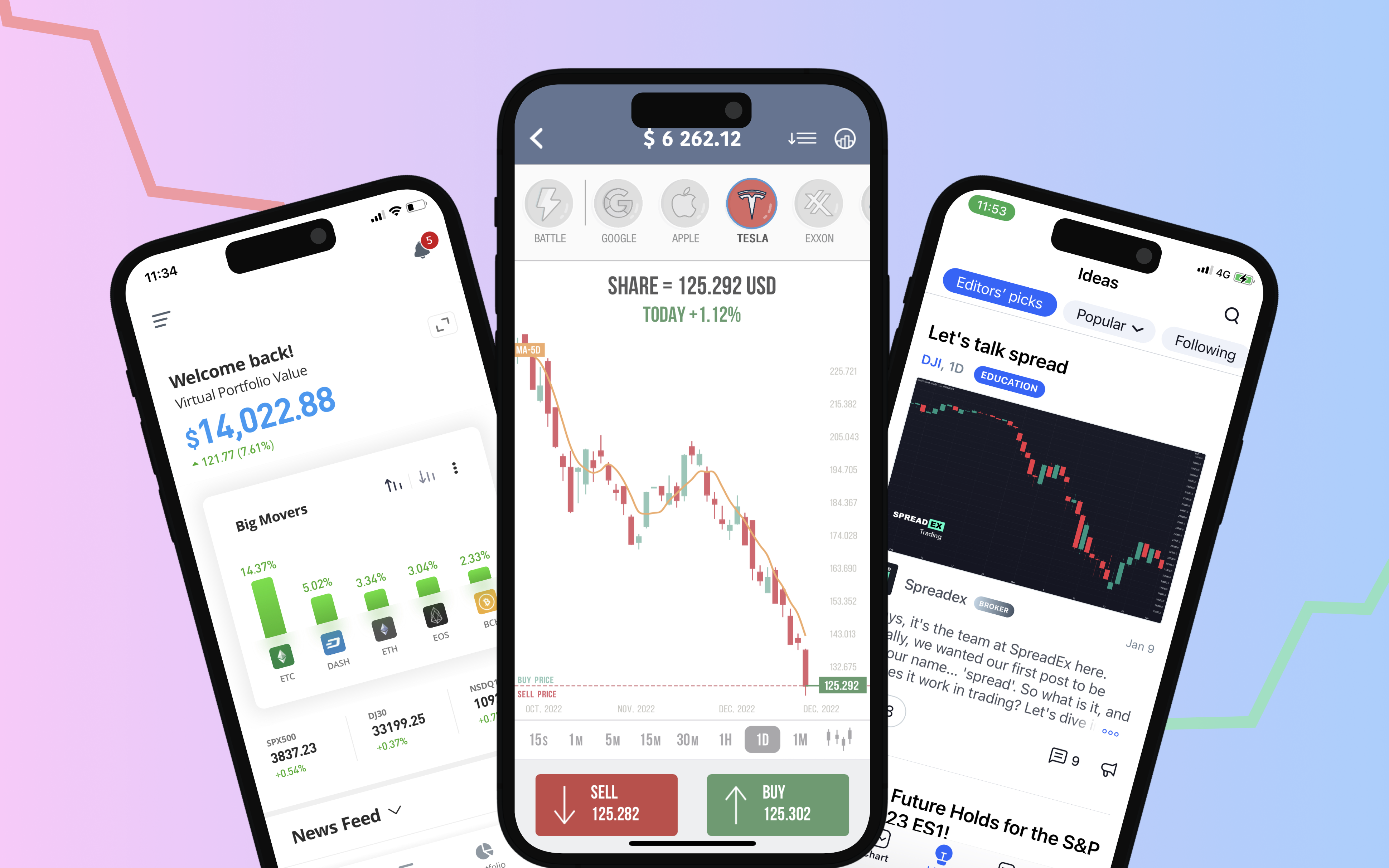
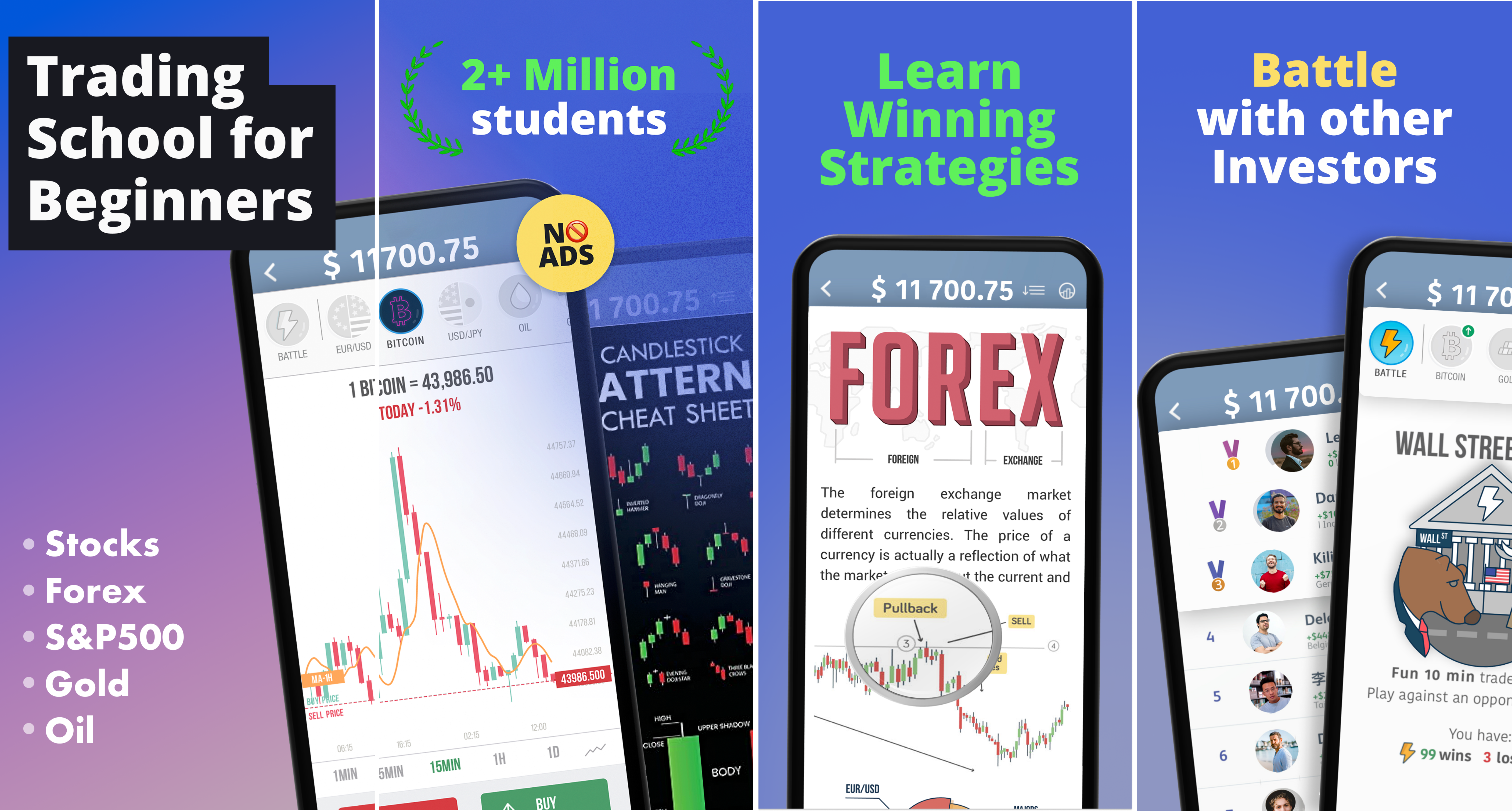
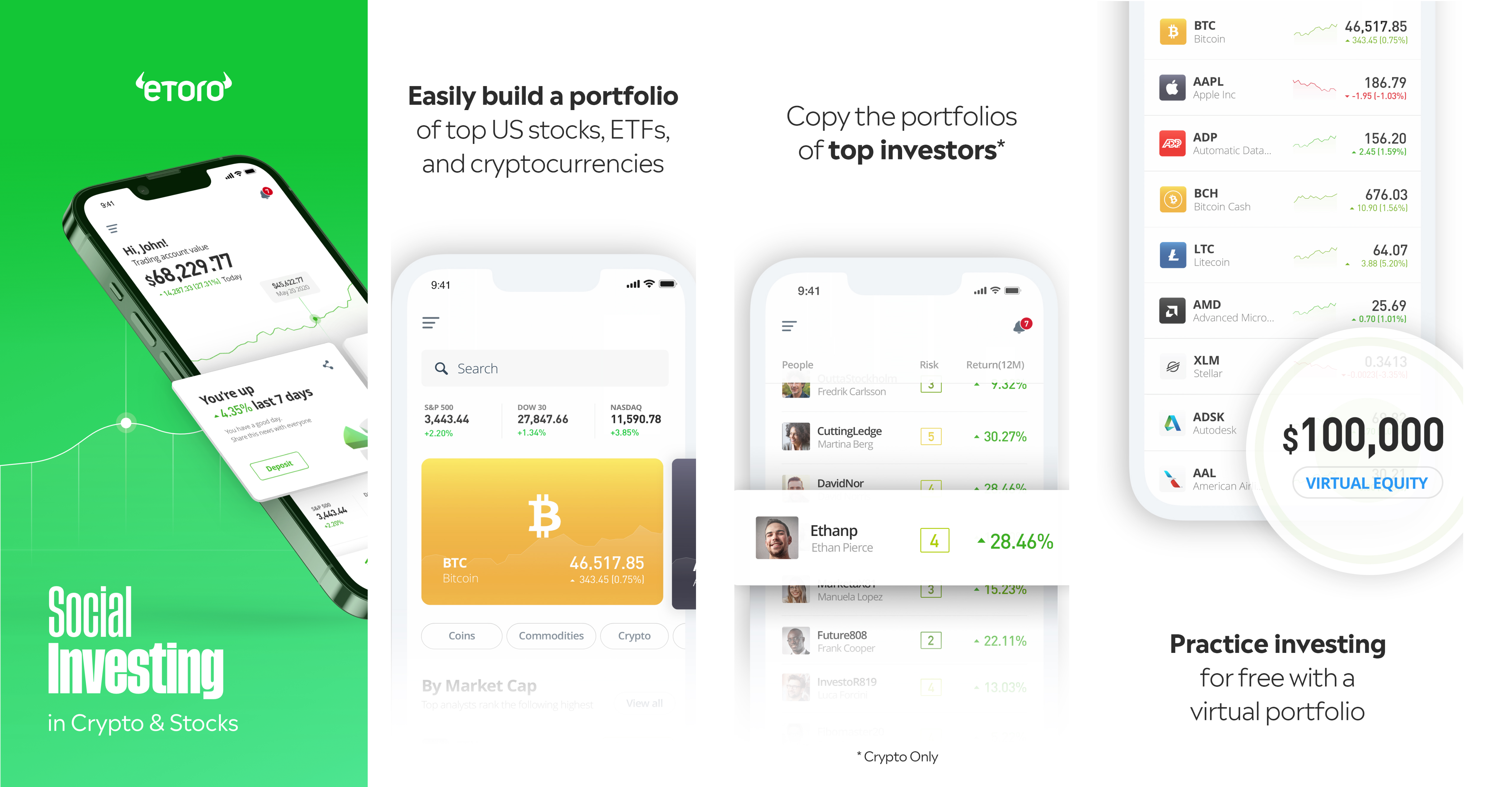
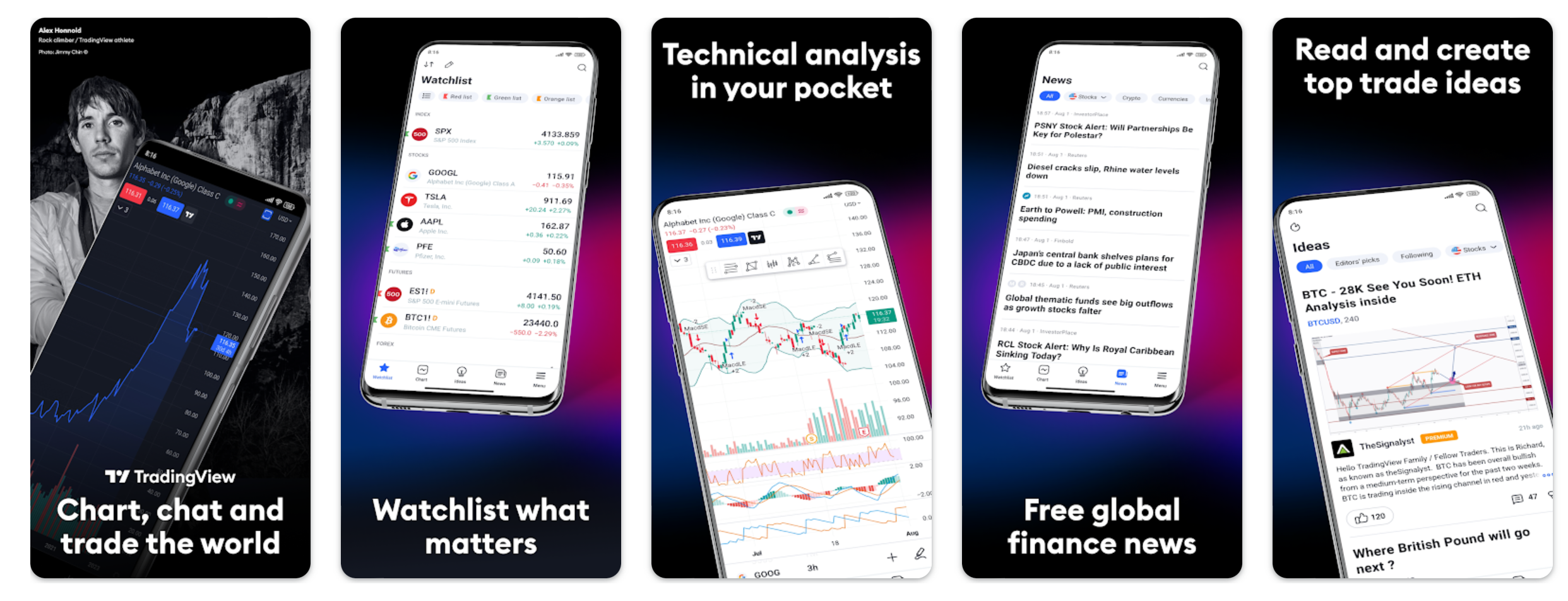
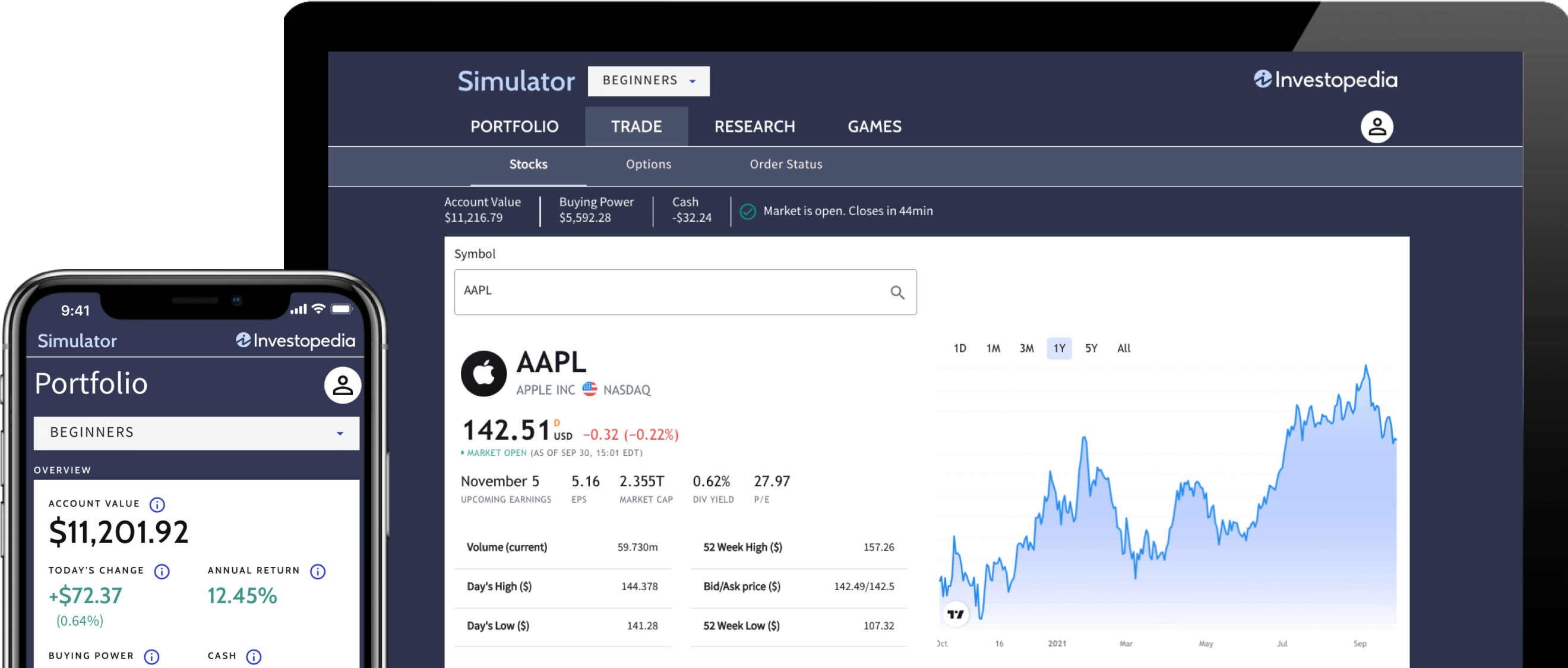



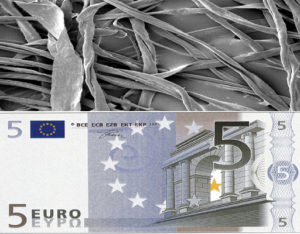
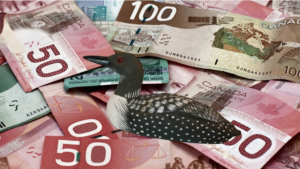




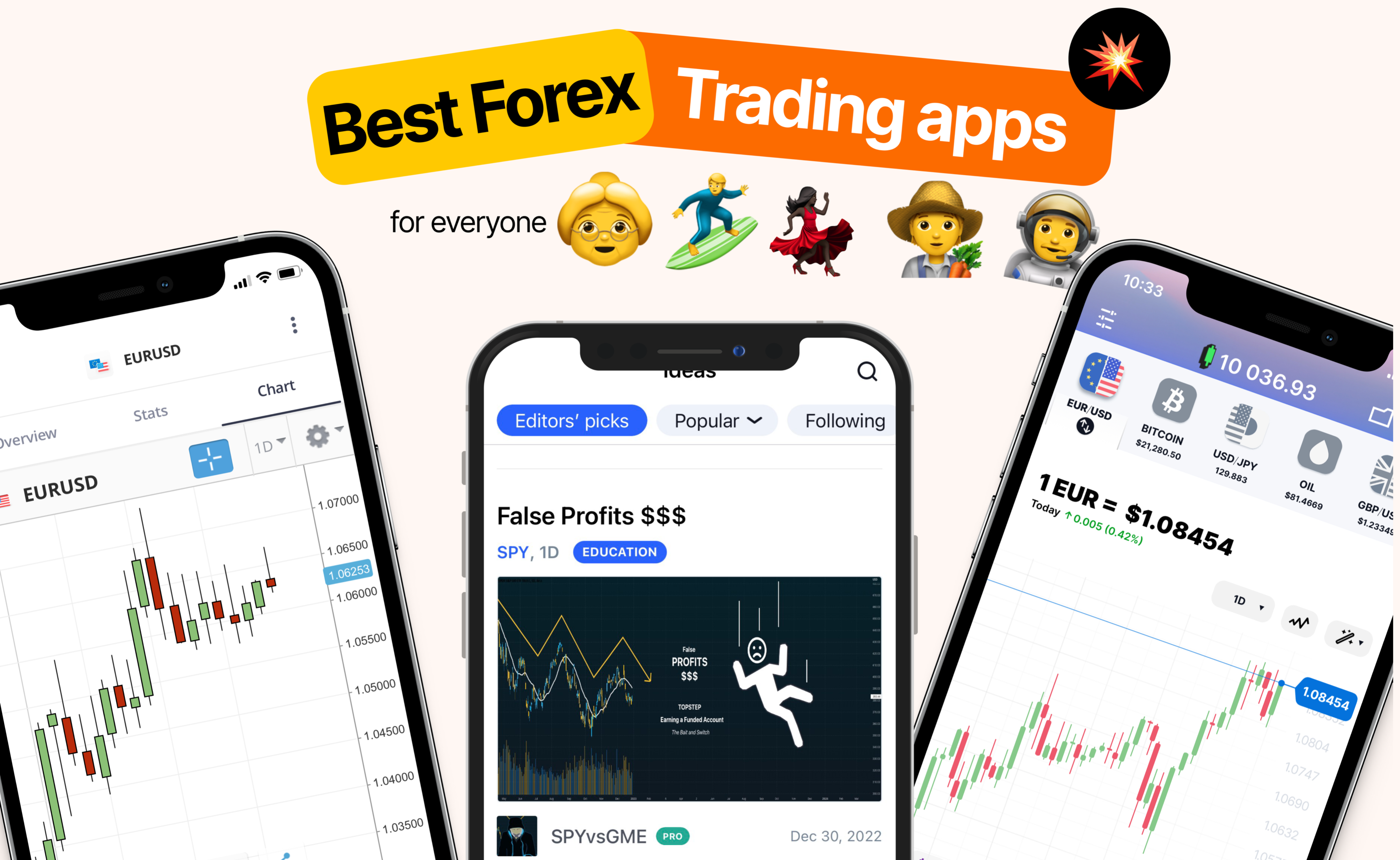





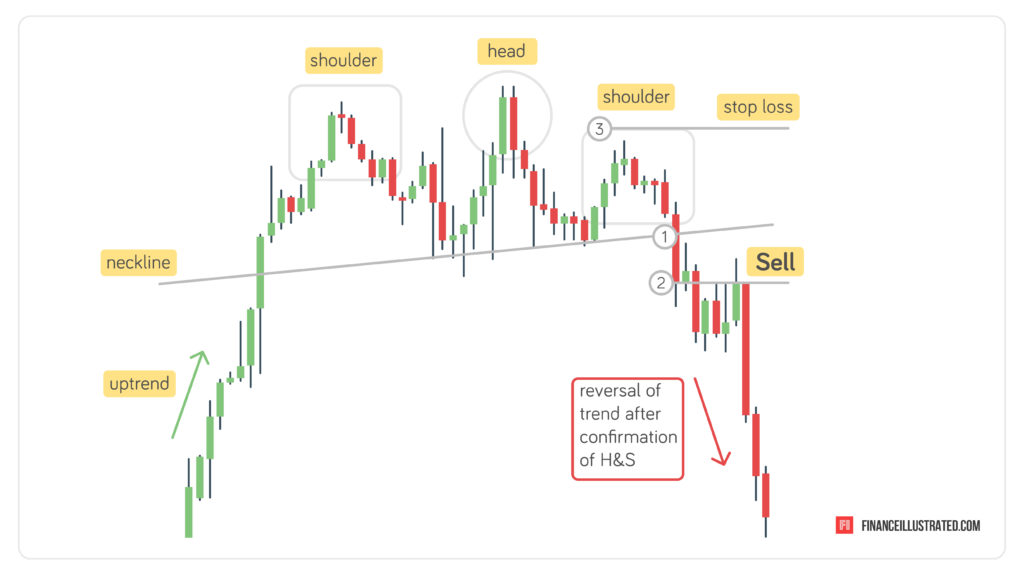
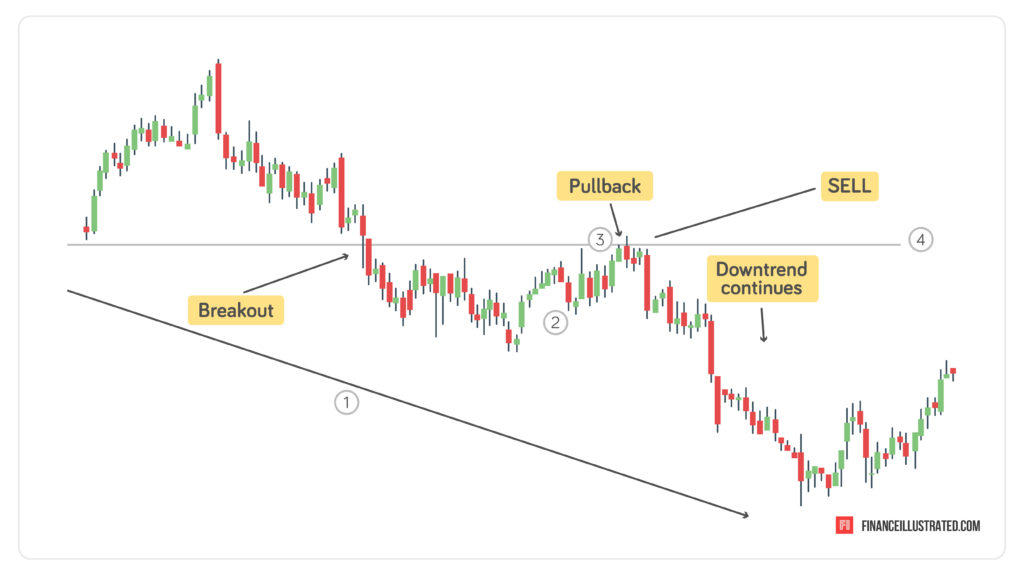

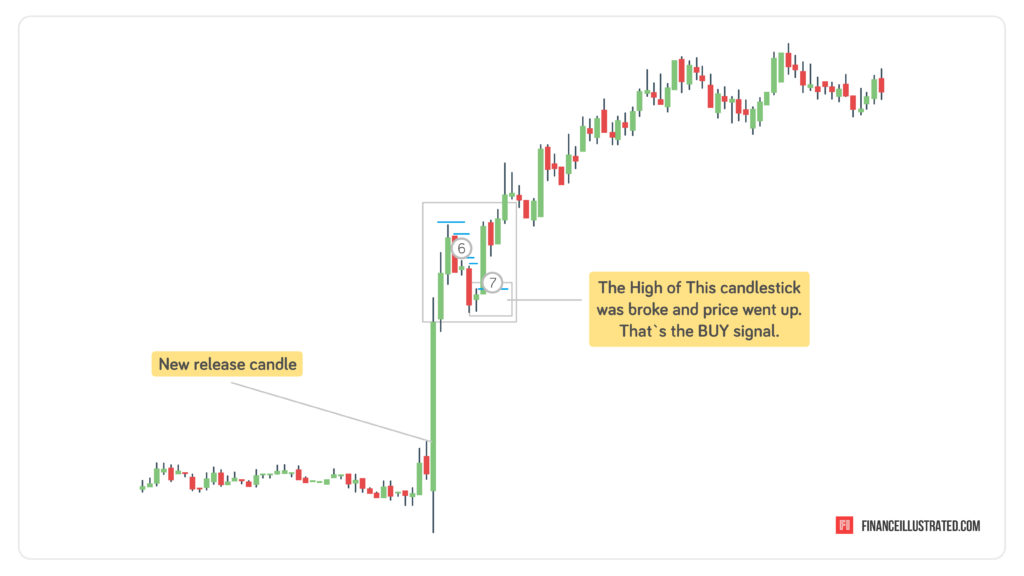
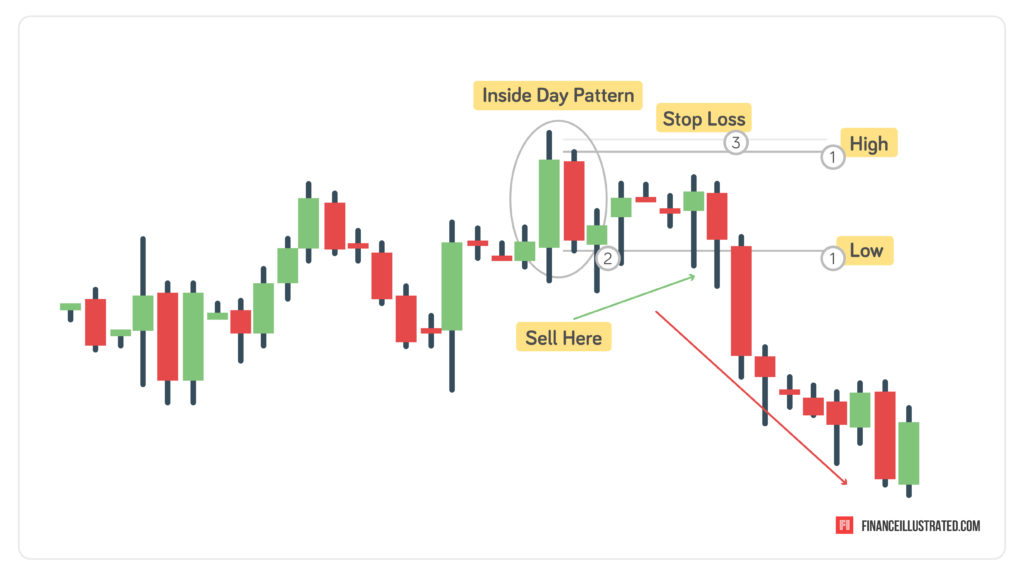
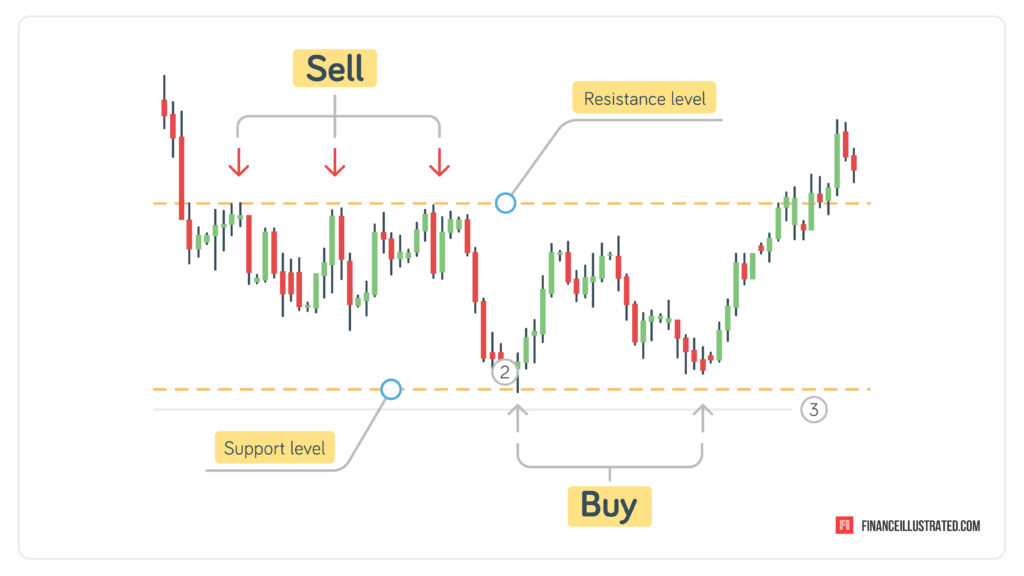
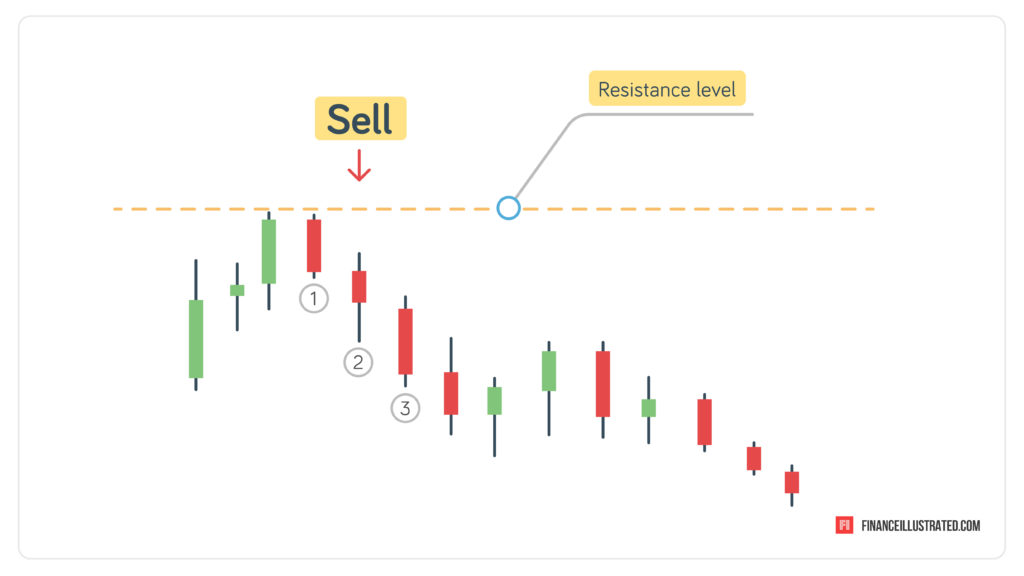
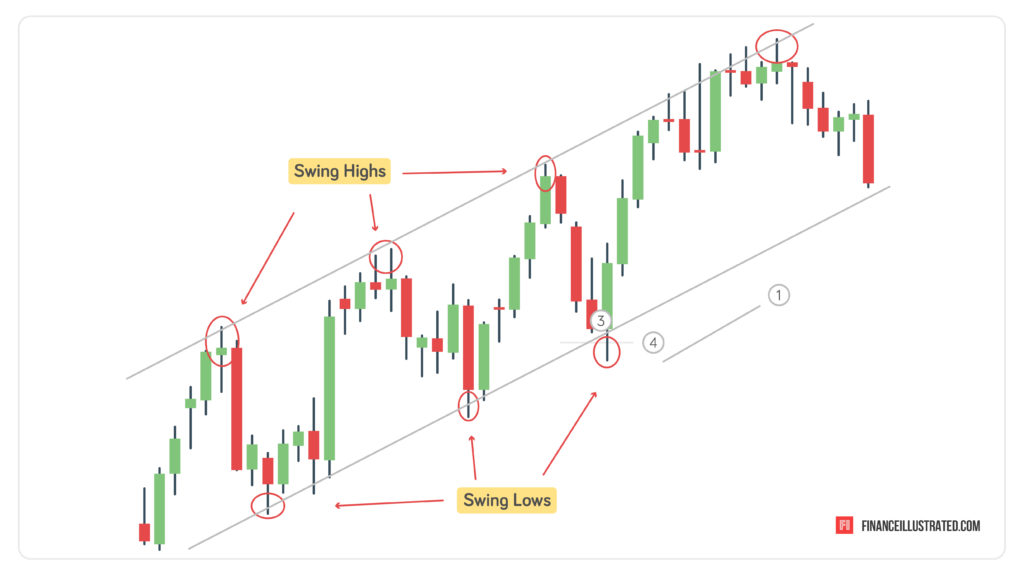
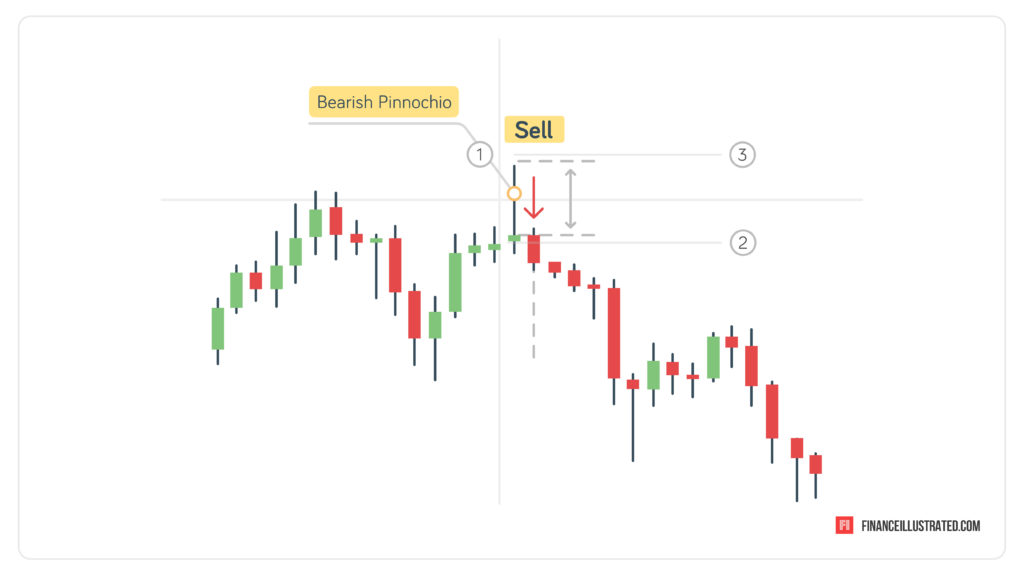
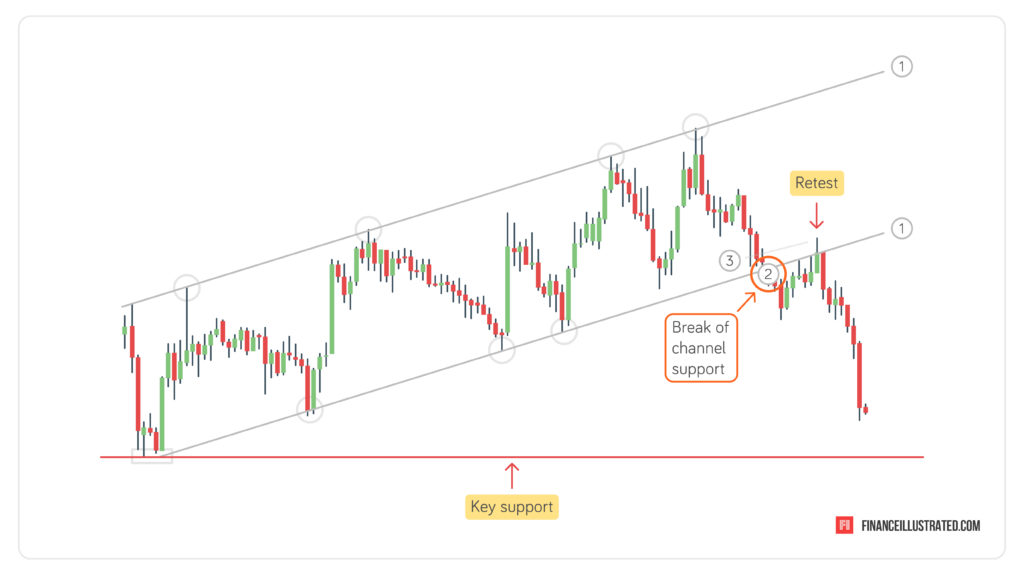
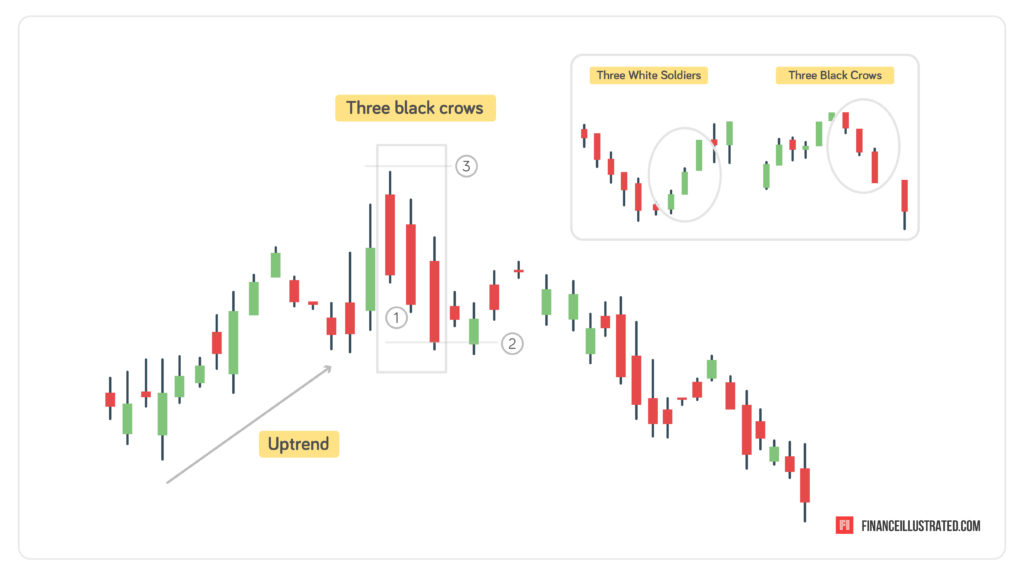
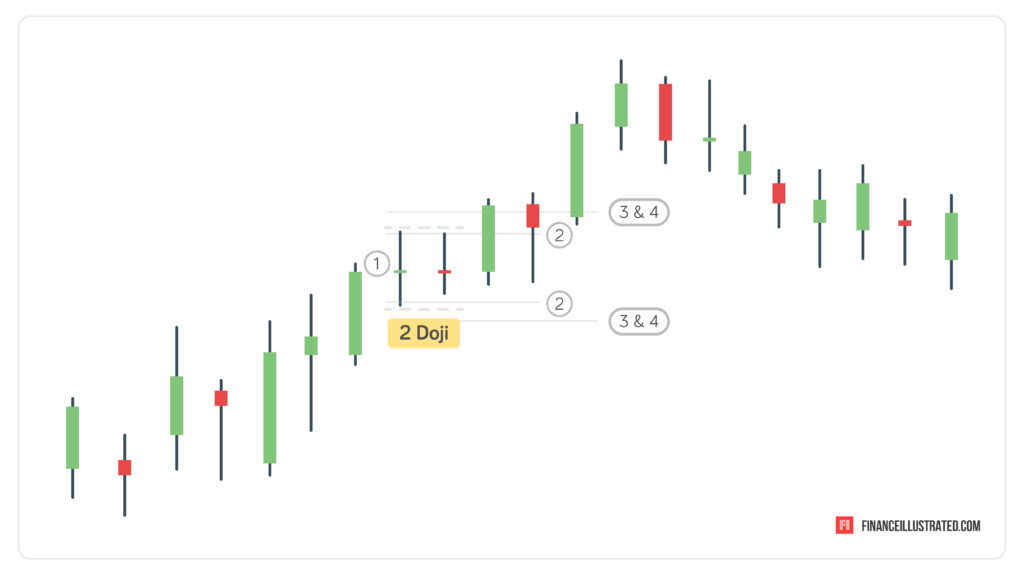
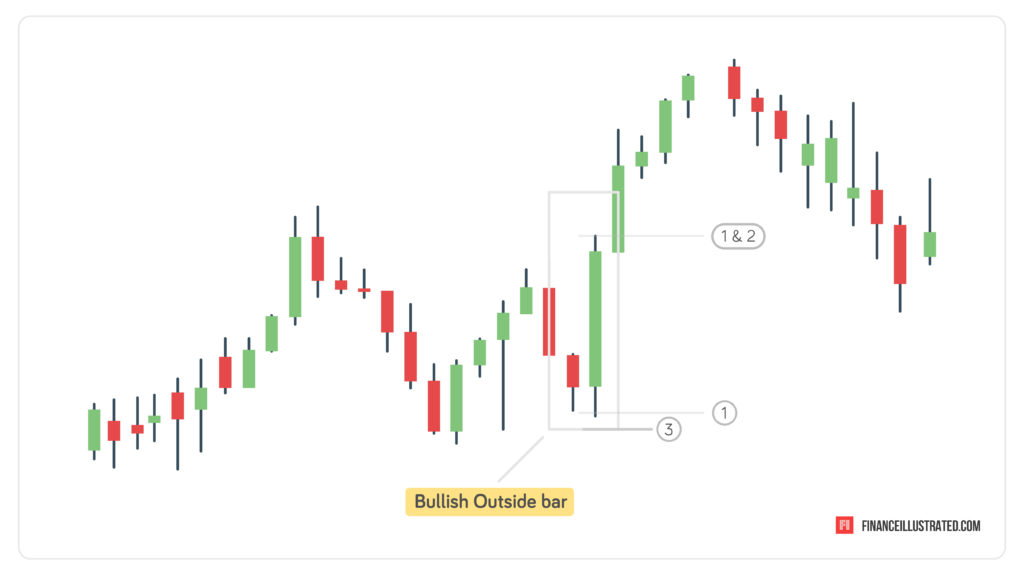
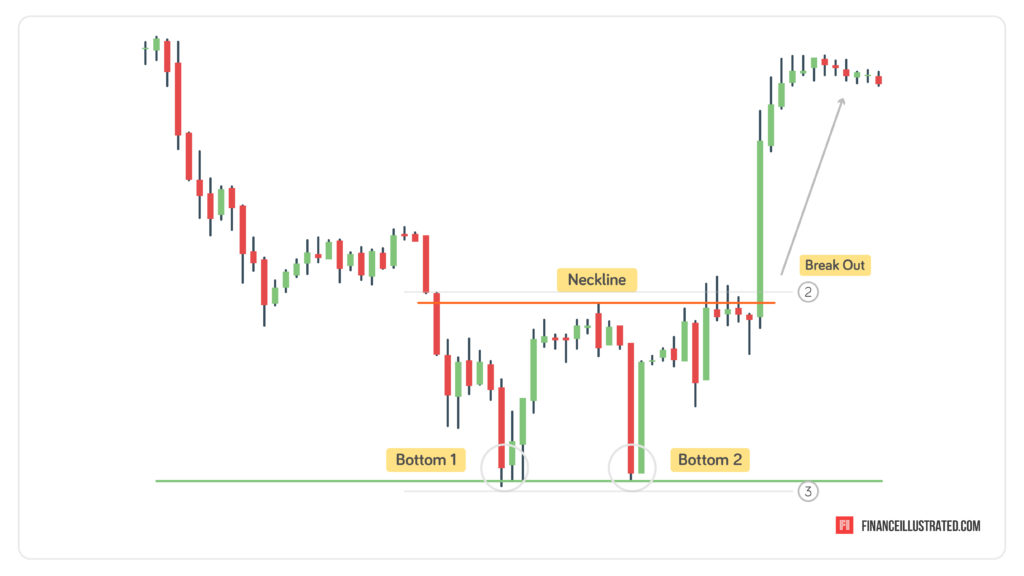
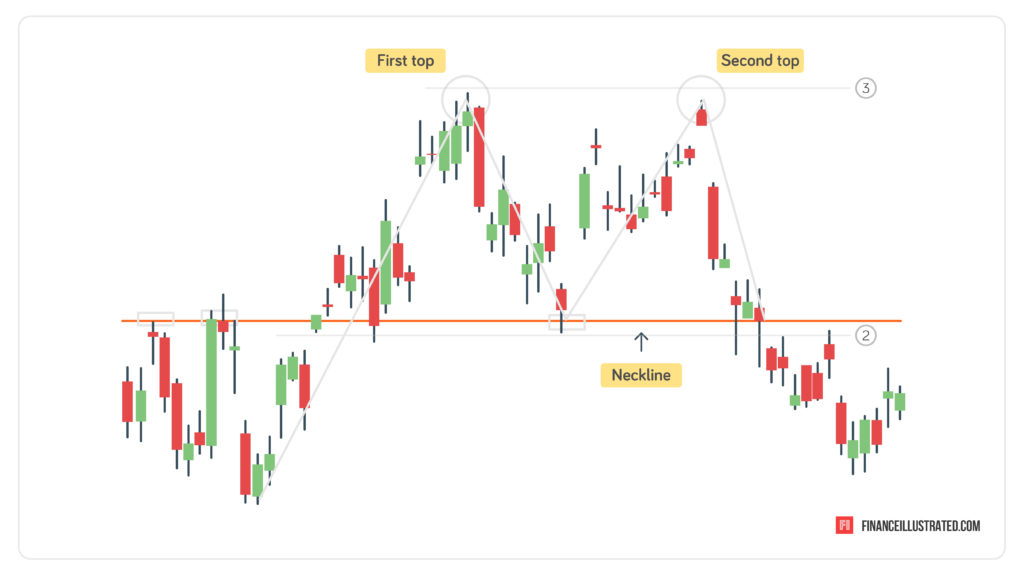
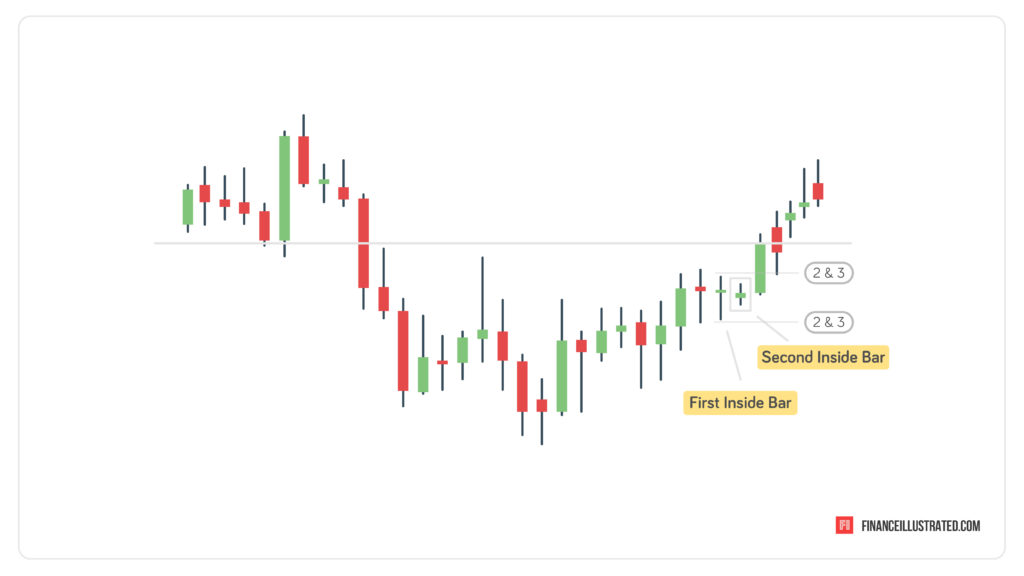

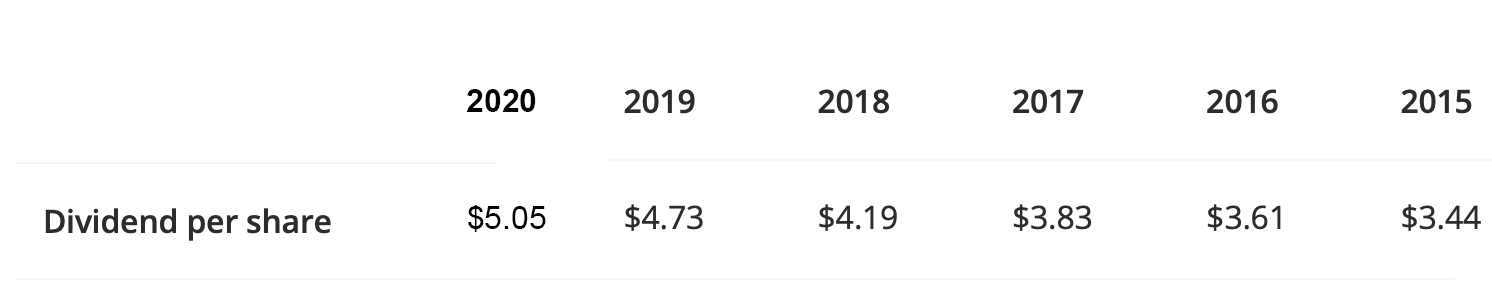
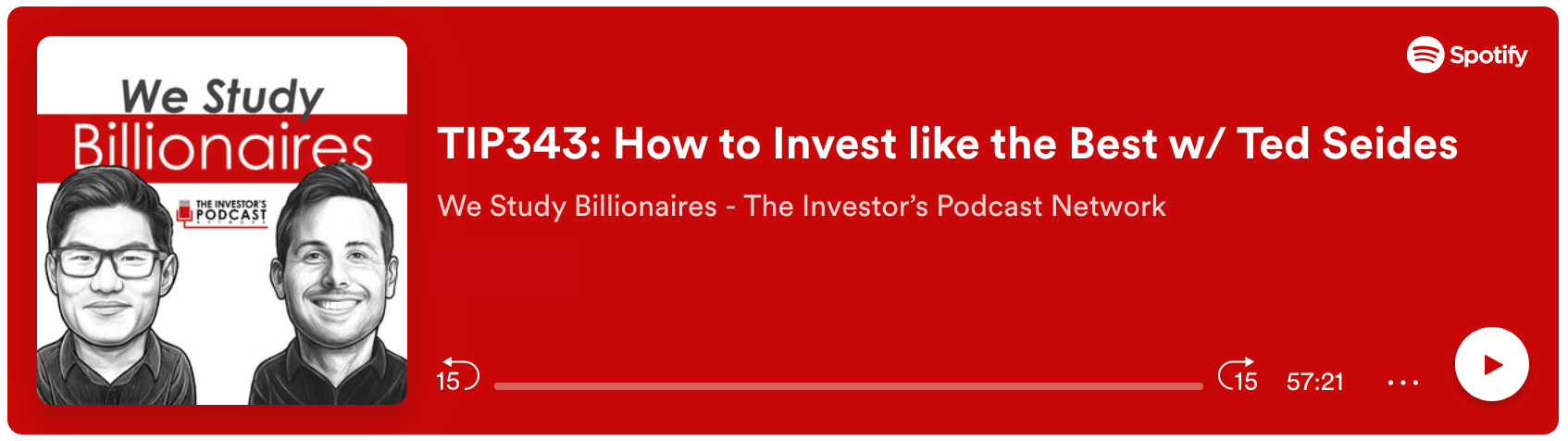
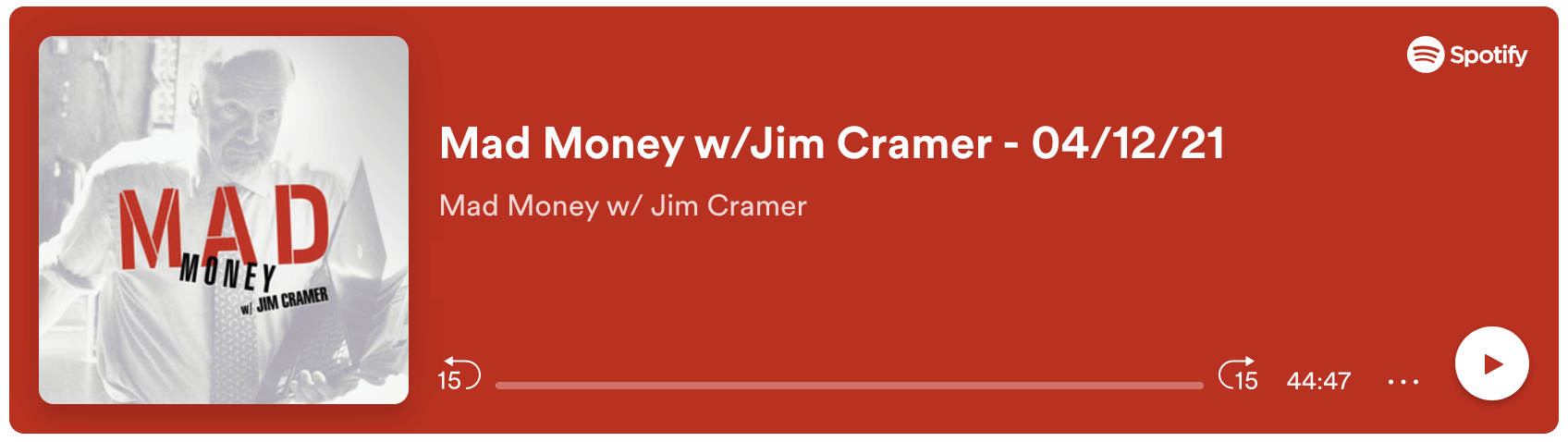
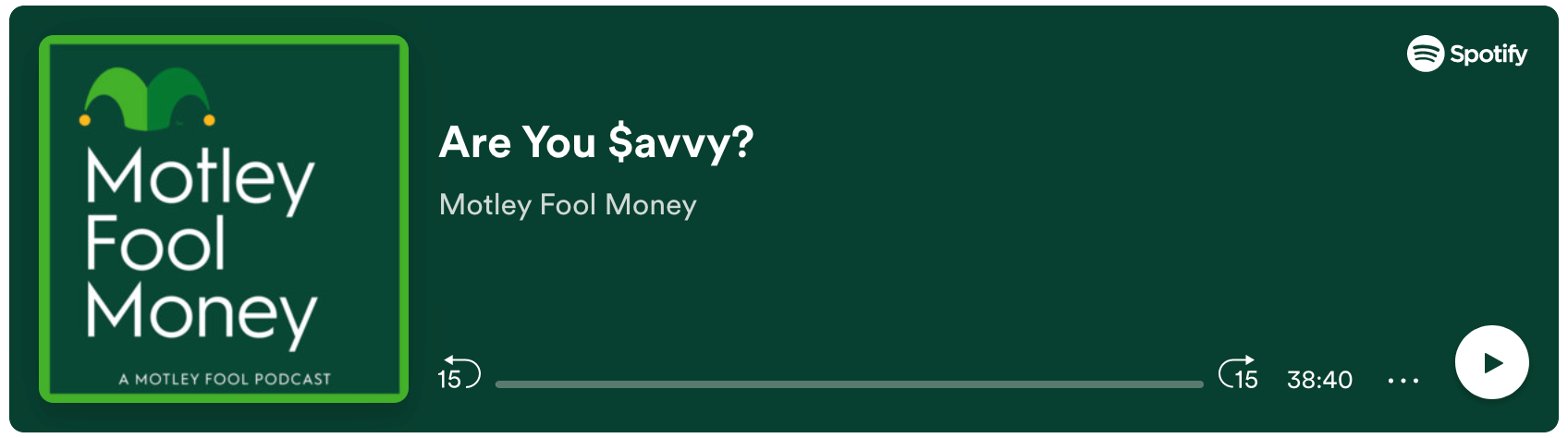
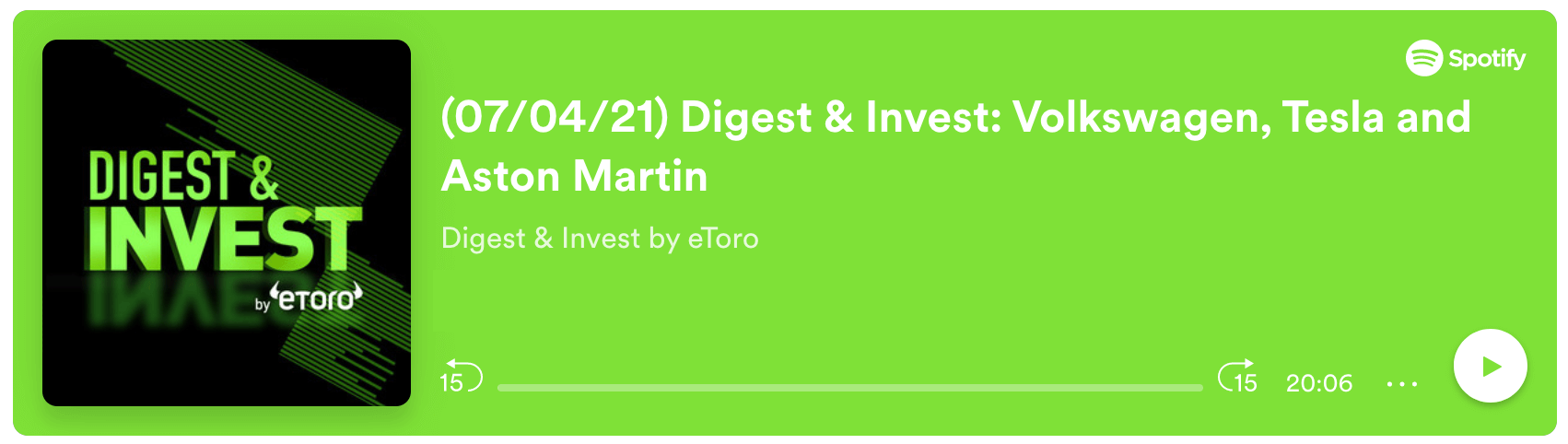
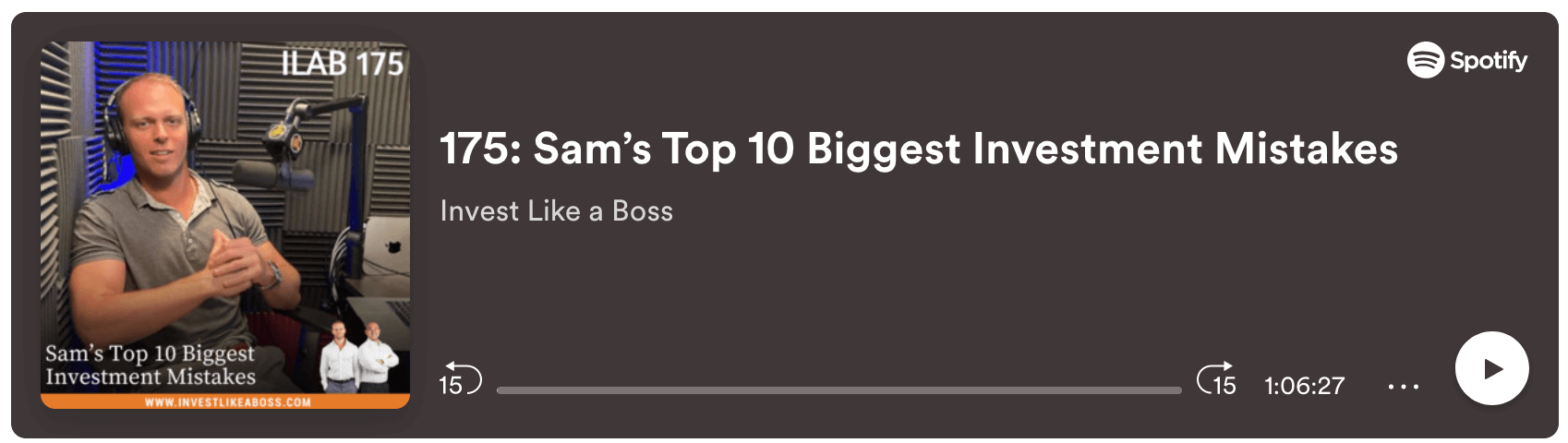

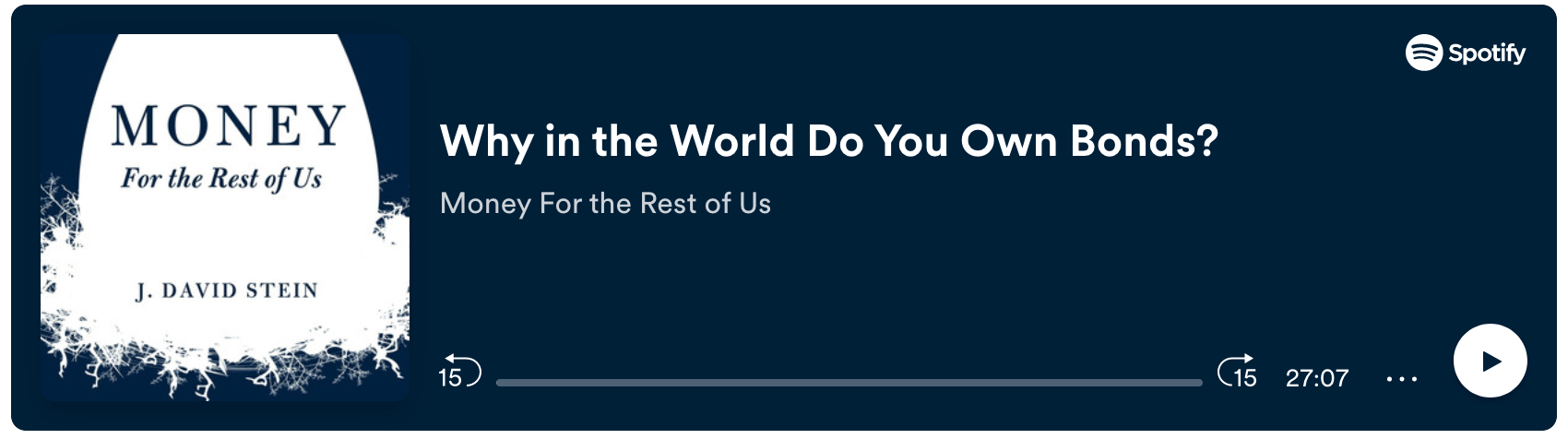

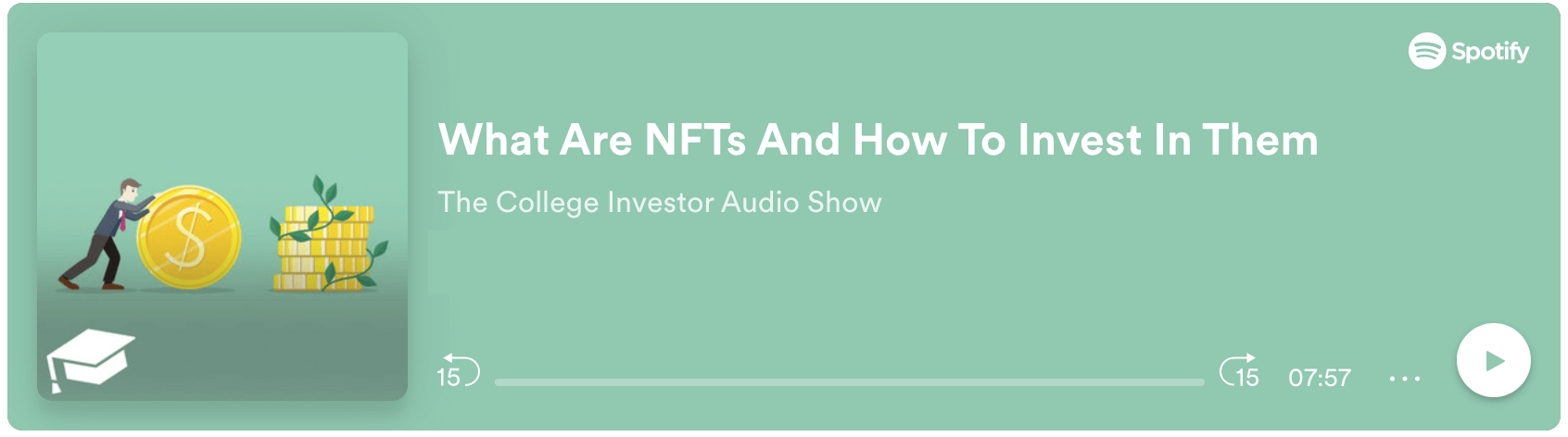
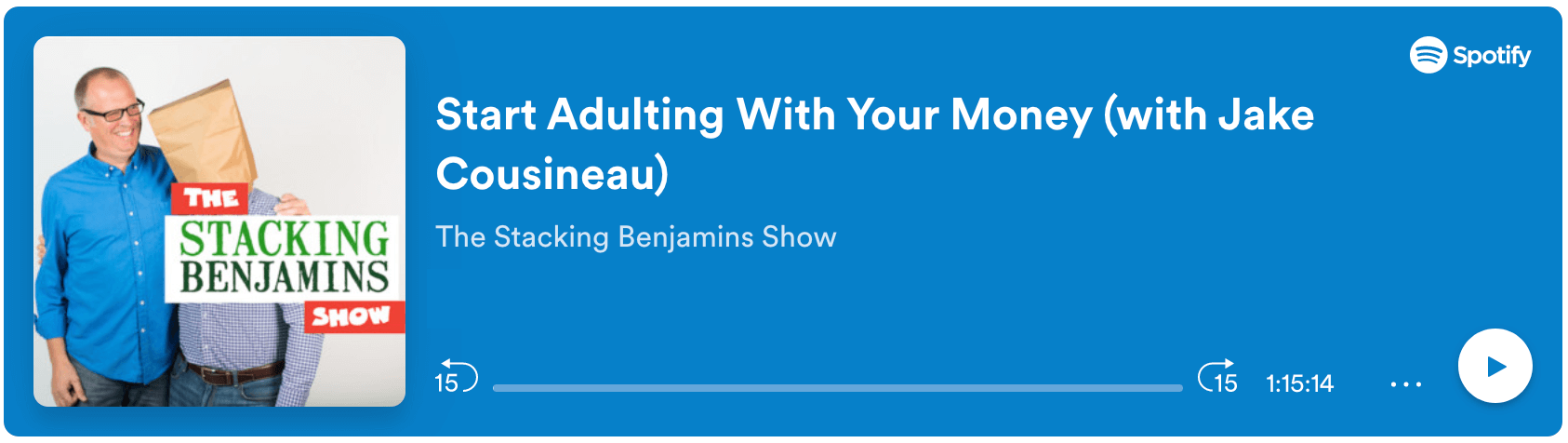

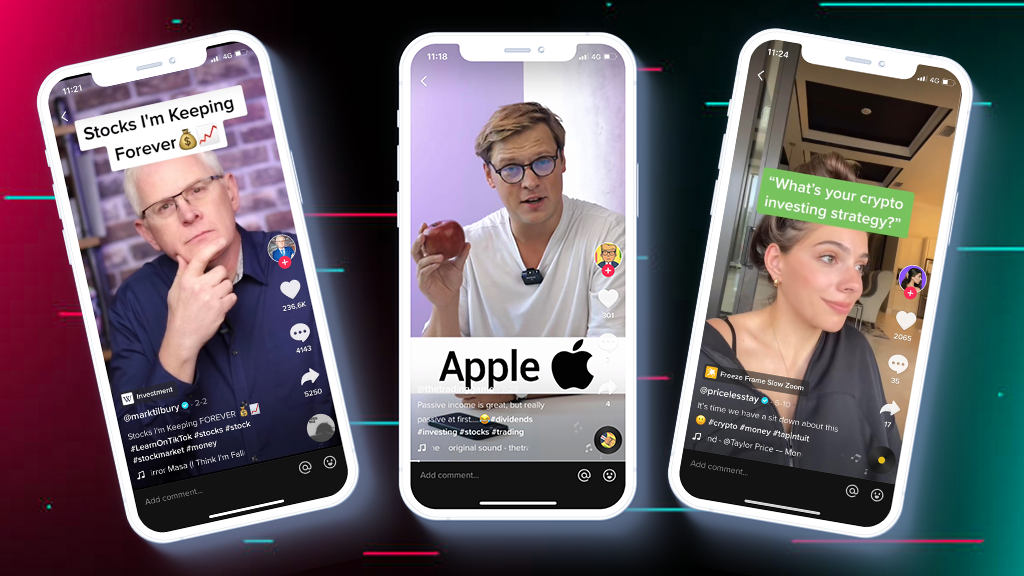
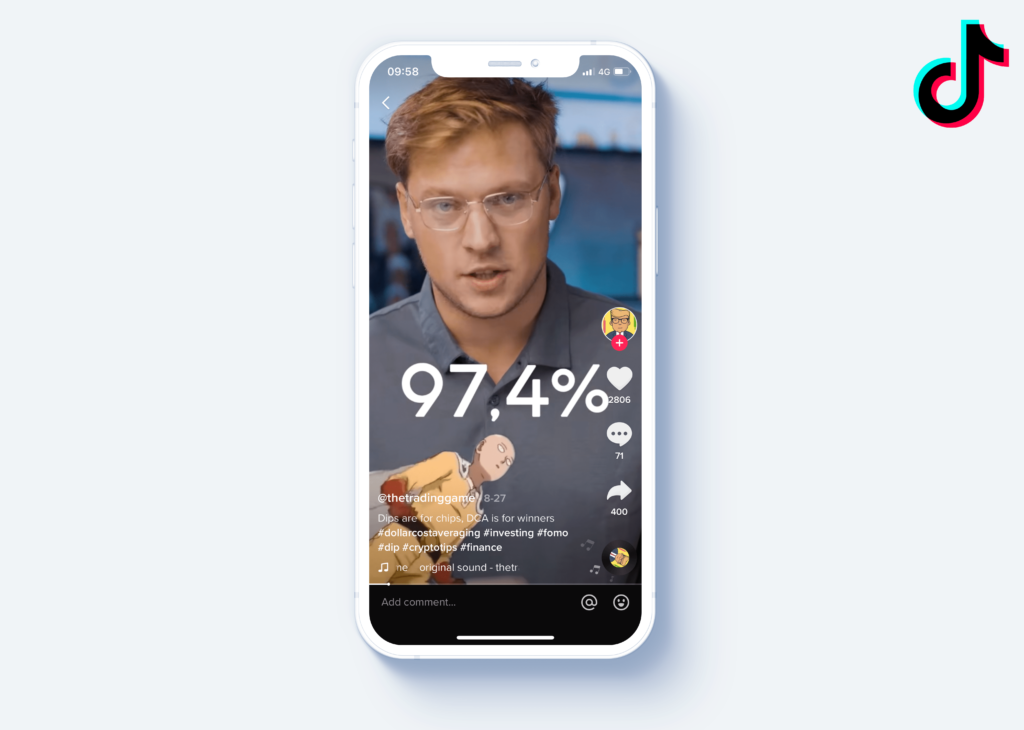
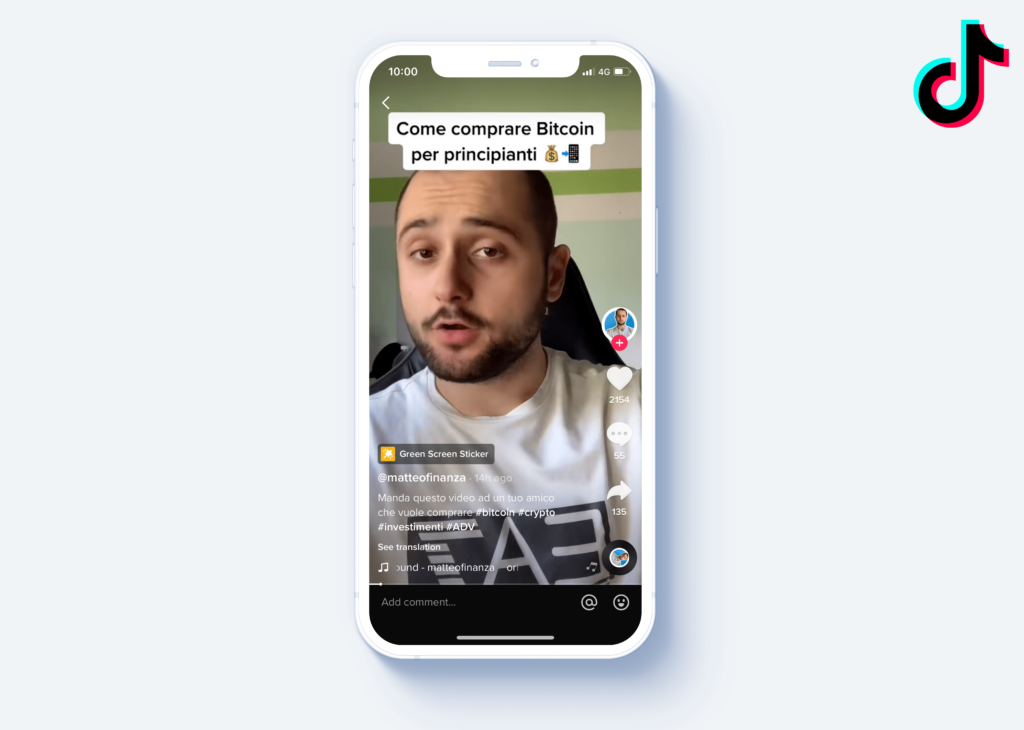

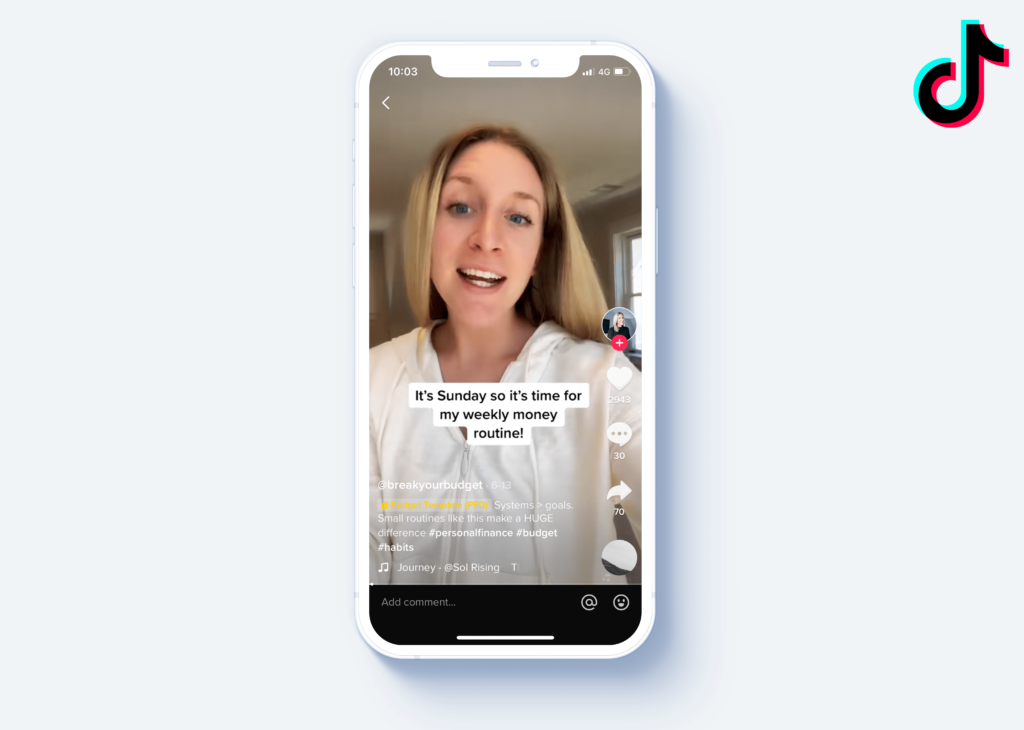
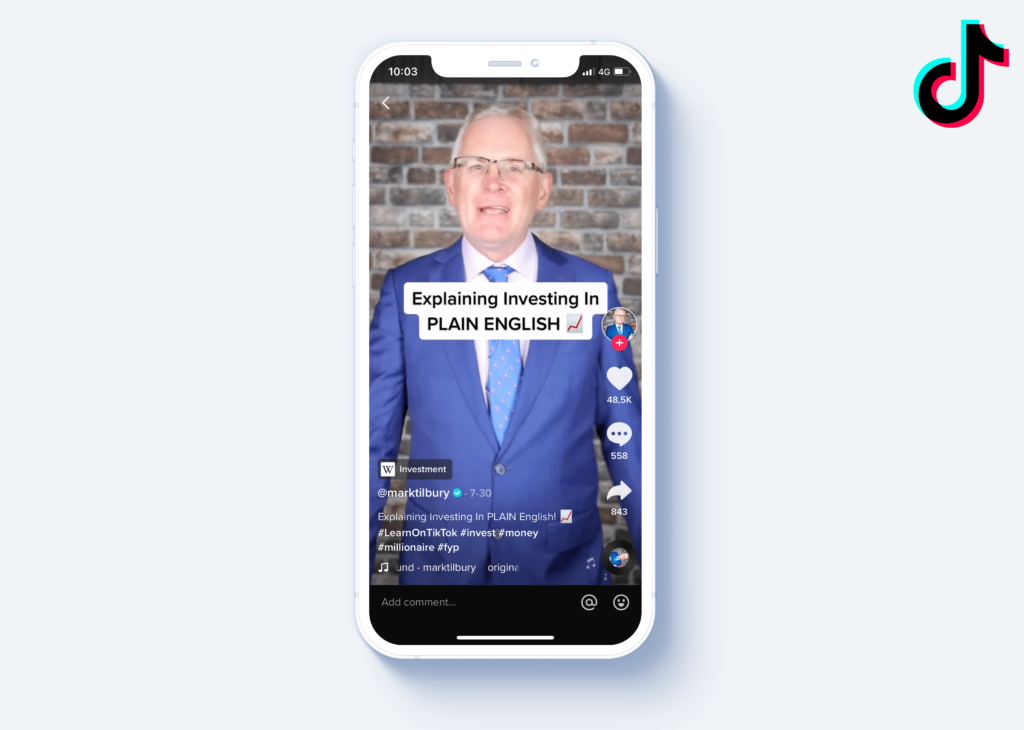
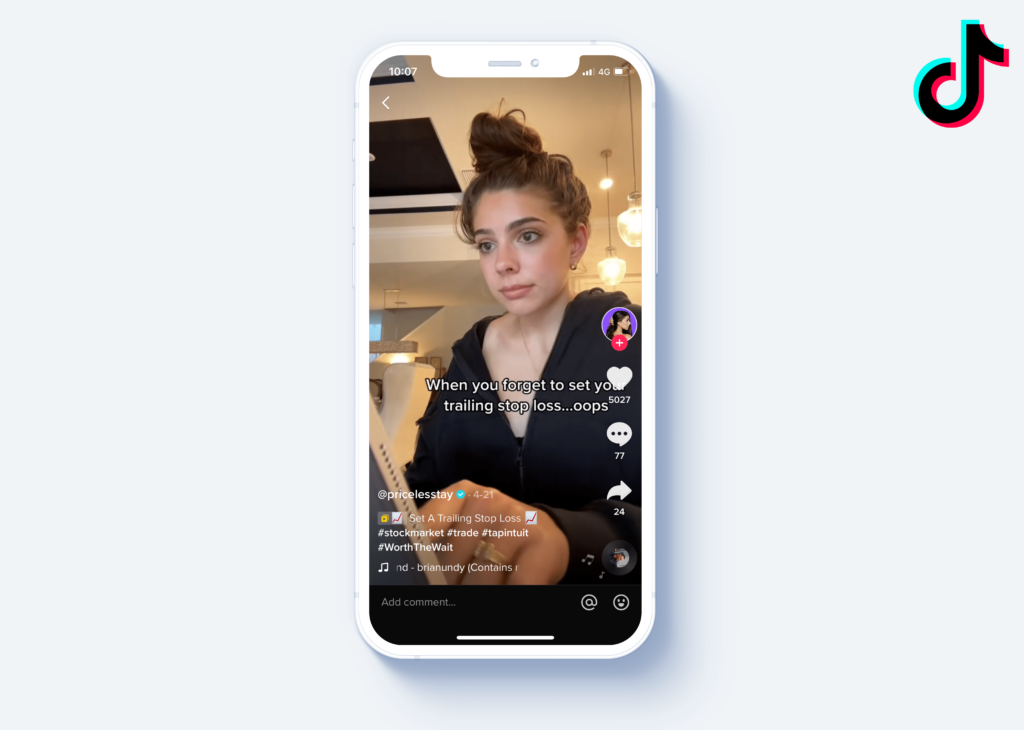

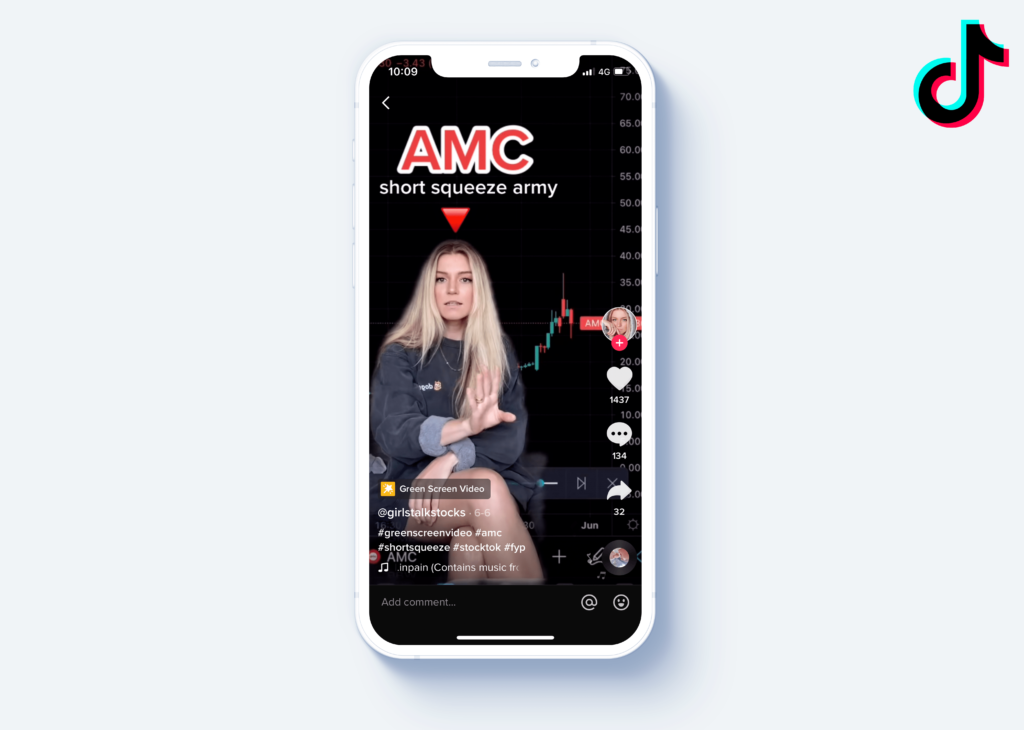




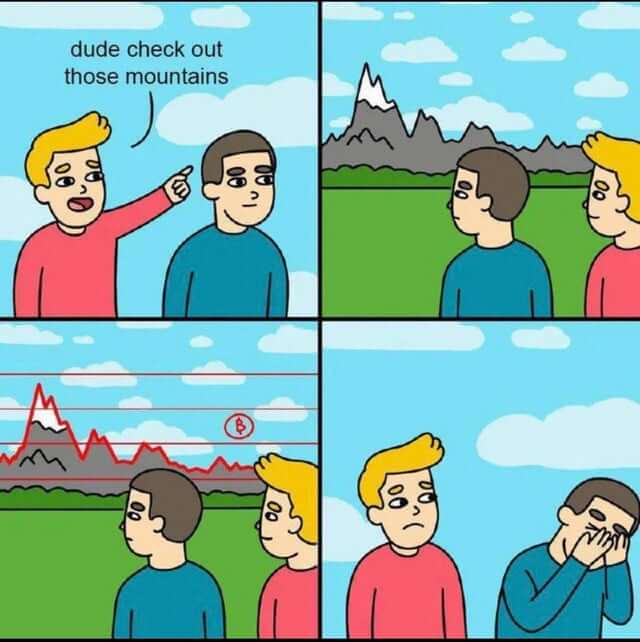
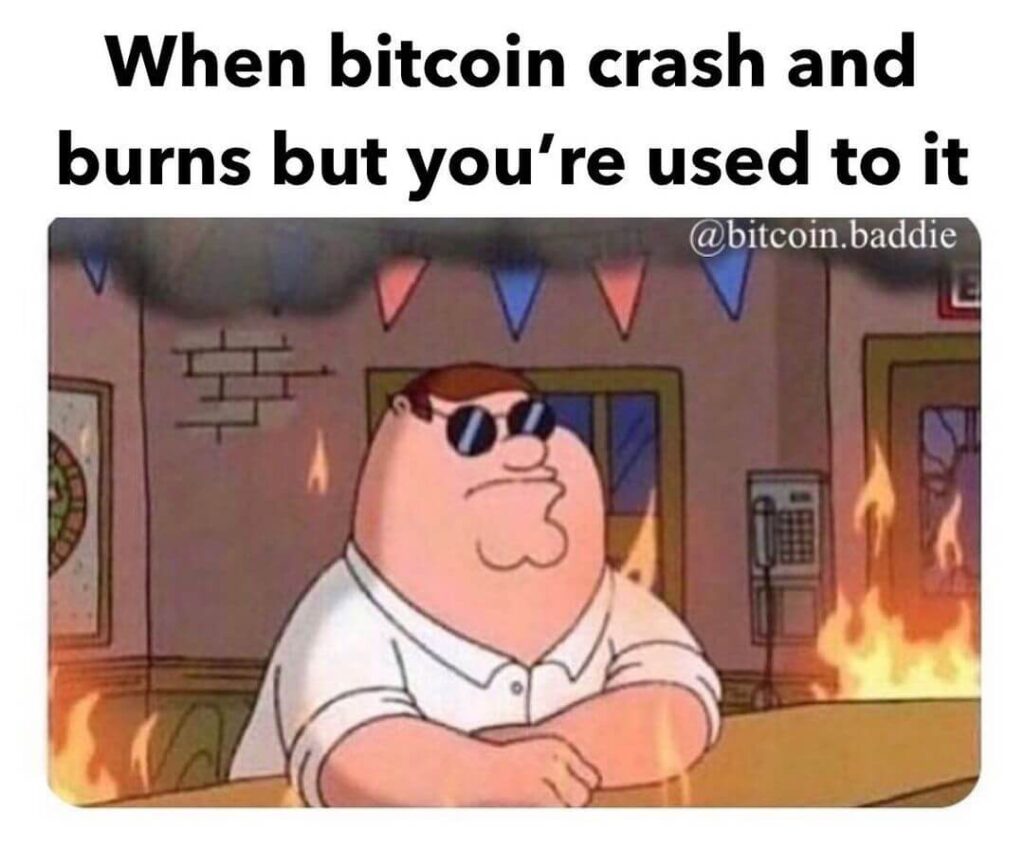























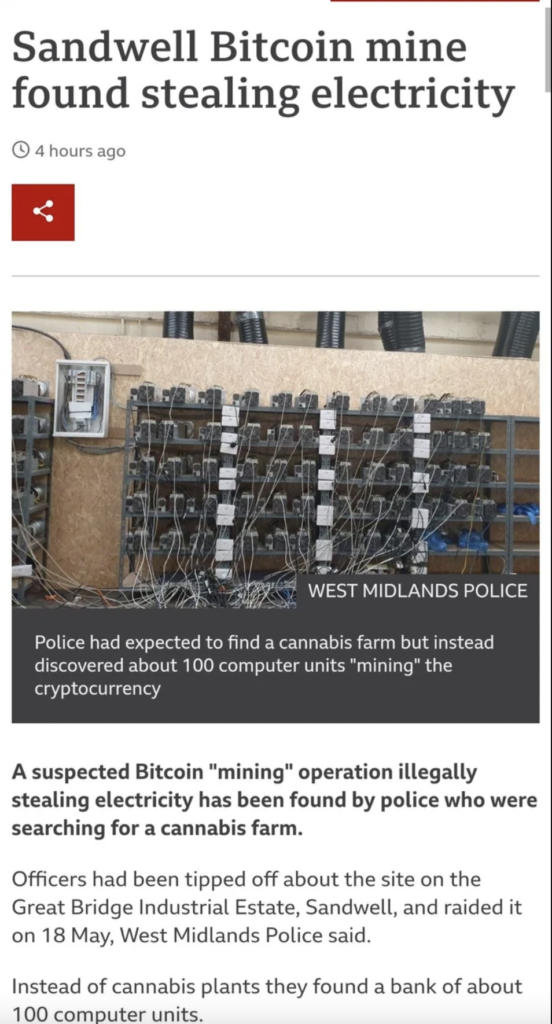



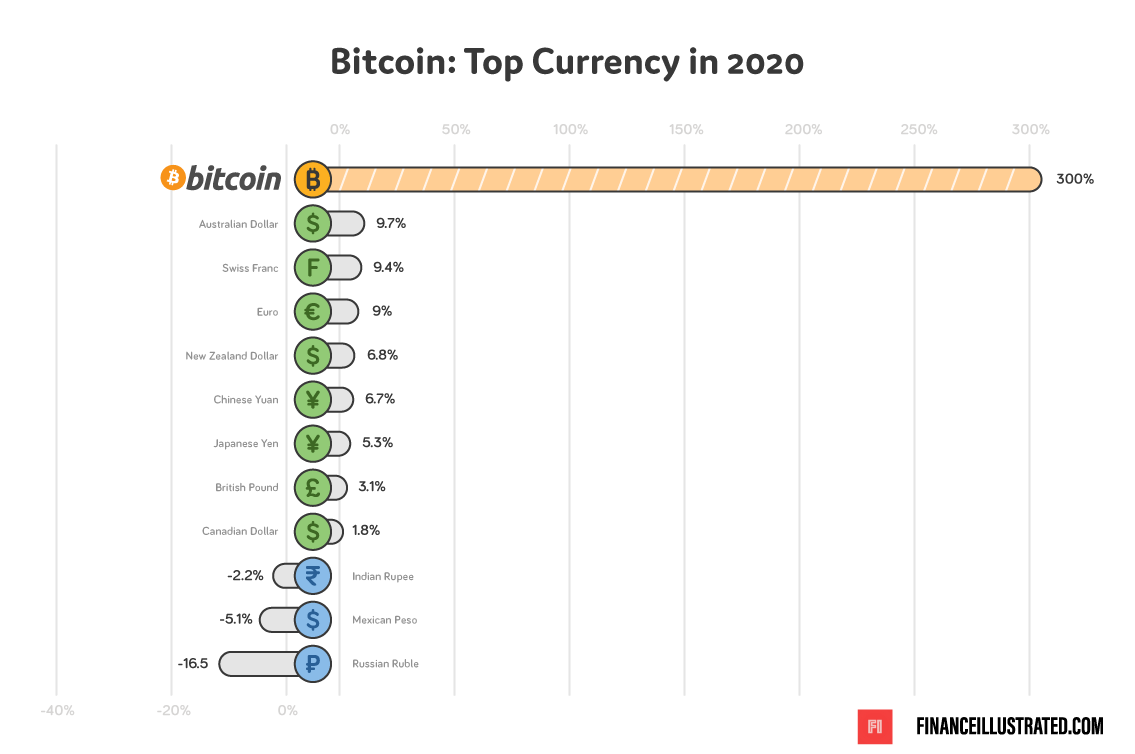







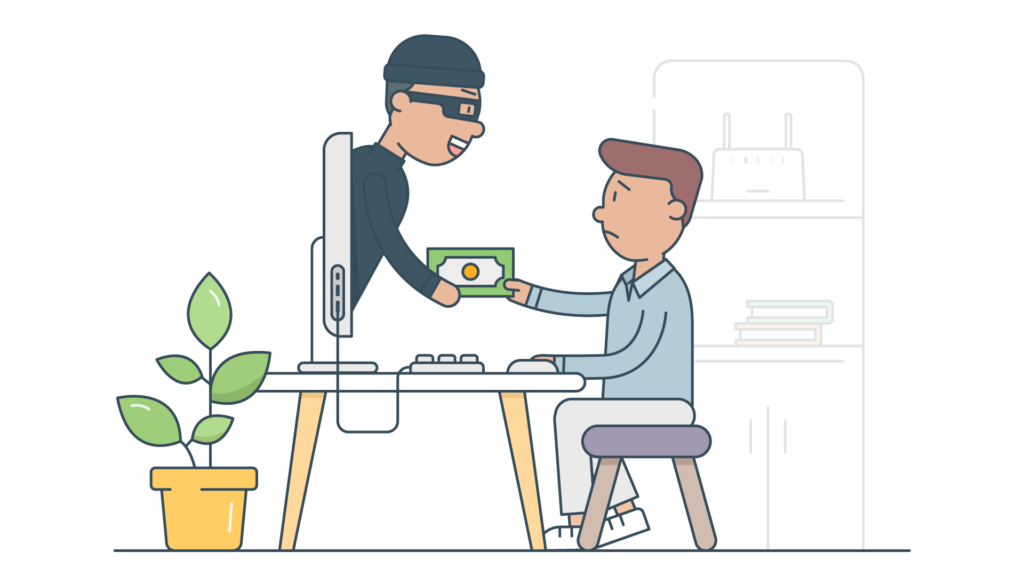 As long as the Forex market exists, there have been forex scams.? Many fake “traders” out there often promote big earnings ? and luxury lifestyles ?️ , which “you can have in few weeks” if you pay them, buy their signals, courses, or join their brokerage. These claims 99,9% are typically false. ?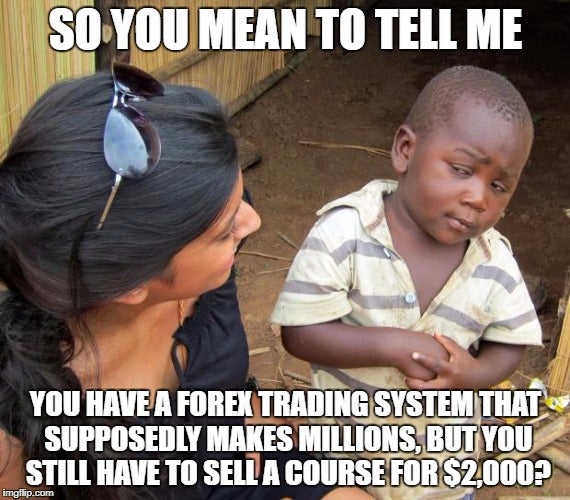
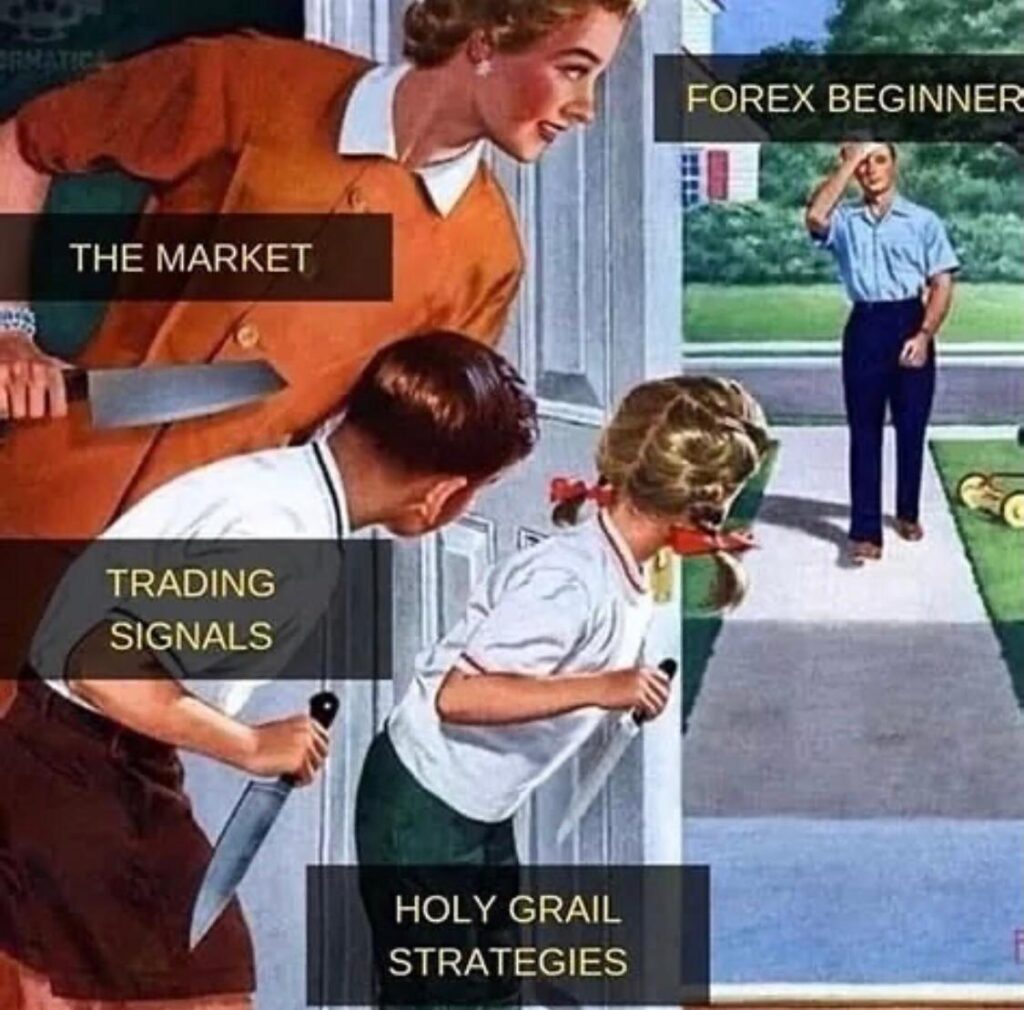
 I used to know an extremely unlucky guy, who traded and spent years with zero return. One time, I was checking his Instagram profile and I could not recognize him. The number of fancy cars and classy places that were implied to be his was enormous. When I asked him: where did that come from? He said, nowhere, they were cars in the streets he came across and just posed next to them. Now, I know that guys need to satisfy their egos to show superiority and impress people, but in this case, it’s called deceiving people.