
Forex
The ABC of Forex Trading: Pairs, Pips, Lots and Leverage
Learn the forex basics in plain words: currency pairs, going long or short, pips, lots, the spread, and how leverage makes a small move cost a lot.
A forex signal is a trade idea someone sends you. Learn what a complete signal looks like, why a great record can be luck and how costs change the result.
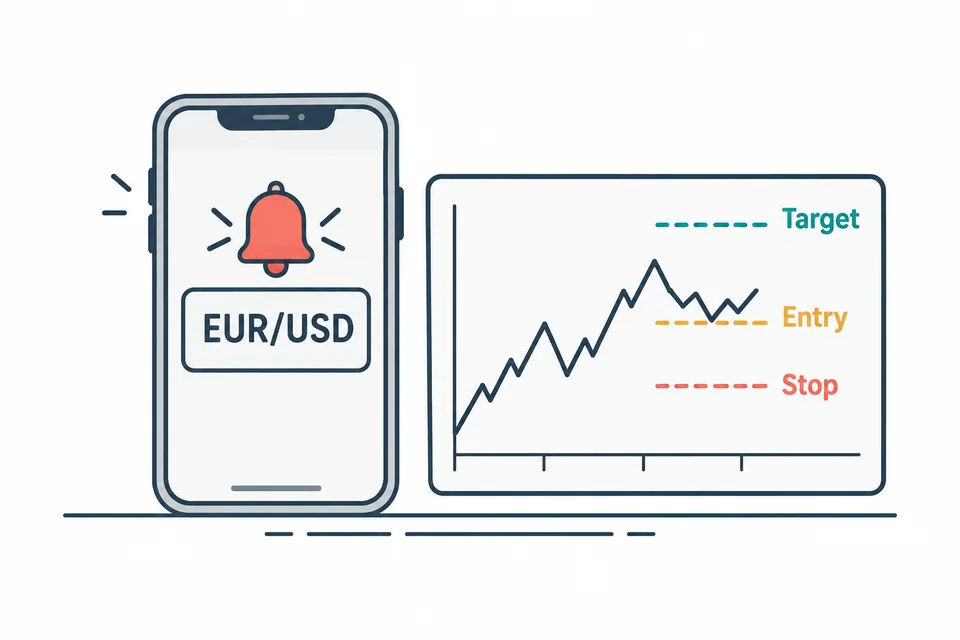
A forex is a trade idea that someone sends you. A full signal names the pair, the direction (buy or sell), the entry price, a stop, a target and how long the idea lasts. To check a signal service, ask for its full history with times. Count the losers as well as the winners, and paper trade it for a month before you risk money.
Signals arrive in different ways. Some come as messages in an app or a chat group. Others plug straight into trading software and place orders for you.
A signal changes where the idea comes from. It does not make the idea right. It does not promise you will get the same price. And if the trade loses, the loss is yours, not the sender's.
This page once promoted a free signals app called FXNow. It now explains how to judge any signal service instead. We make no claim about FXNow's results or whether it is still available.
Yes. Imagine 20 signal services that secretly choose every trade with a coin toss. After 100 trades, some will be ahead and some behind, by chance alone. The luckiest one will have the best record. It can look impressive.
Now imagine that service puts its record in an advert. It looks like skill. But on the next trade, its coin is as fair as everyone else's.
Real records can be bent in simpler ways too. A seller can post only the winning calls. Losing signals can be deleted from a channel. A target can be "moved" after the price is known.
Try it yourself
Press "Generate 20 strategies". Think of each line as a signal service that picks trades with a coin flip. Note the best record, then press "Run it on new data".
20 made-up signal services each pick trades with a coin flip, risking 1% per trade. After 100 trades, one of them has the best record purely by chance. On the next 100 trades, that service still has a 50% chance on every trade, like all the others.
What would you expect?
What this shows: Among 20 coin-flip services, one record will look best by luck alone. On new data, its odds are still 50/50, like everyone else's.
A record of past wins can come from skill or from luck. Without every signal, with times, losses and costs, you cannot tell which.
"Buy EUR/USD" is not enough to judge anything. Ask for a record that shows every signal, with these details:
| Detail | Why it matters |
|---|---|
| The exact product | A pair name does not tell you the broker, the leverage or who is on the other side |
| Time sent, with time zone | You must receive the idea before the claimed entry |
| Entry rule, stop, target and expiry | These cannot be changed after the prices are known |
| Trade size, costs and currency | alone do not tell you the money result |
| Every original message | Deleted losing signals make a record look better |
Also ask whether the results are from a real account, a demo account or a on past prices. A linked live account makes a record easier to trace. It still does not prove skill or tell you if the service suits you.
Watch for signals with several entry prices, or a "new" signal sent as an update. Then almost any price path can be shown as a win.
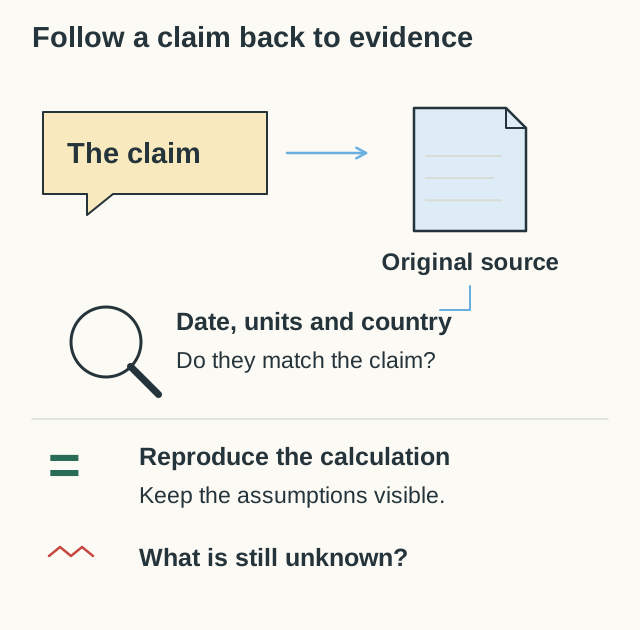
Yes, a lot. Take a made-up service that sends 100 trades. 60 win an average of $8. 40 lose an average of $10.
Small accounts feel a fixed subscription the most. Overnight financing, currency conversion and missed entries can make results worse still.
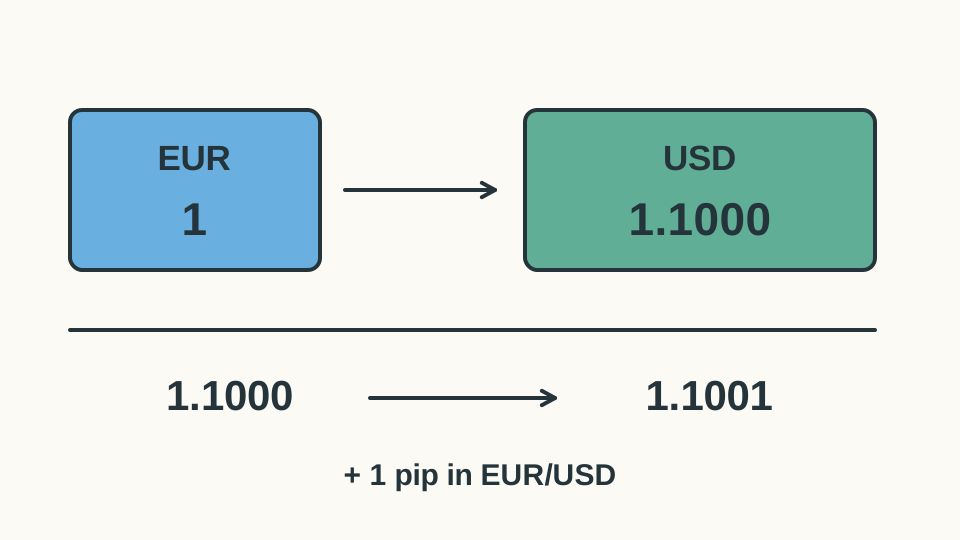
Delays matter too. Say a buy signal is sent at 1.1000, but the first price you can get is 1.1003. You both exit at 1.1010. The signal's record shows 10 pips (1 pip is a 0.0001 step). Your trade made 7 pips, before costs. That gap from and delay decides whether you can copy the results at all.
Judge a service by money in the account after all costs, not by pips "captured". The spread lesson shows how to count trading costs.
Ask how the provider gets paid. It might earn subscription fees, payments from a broker when you sign up, payments when you trade more, or a share of your profits. A free service may be paid for by your trading. That is not proof of fraud. But it changes how much you can trust its advice to trade often.
Automatic signals add another risk. Before you connect a service to your account, find out:
Never give anyone your password, a login code or remote control of your device just because a message asked you to.
In the US, FINRA, which oversees brokerage firms, warns about auto-trading services from unregistered firms. The CFTC warns against "high profit, low risk" trading systems. Its AI trading advisory explains that an AI label does not make prices predictable. Ask the same questions of a human, a robot or an AI. See also how to check AI trading claims.
Check both the signal provider and the broker under the rules for your country and your product. Advice, trading for you, forex contracts and CFDs can each have their own rules.
A firm with permission in the UK or Australia may not be allowed to serve people in the US or Canada. And calling a service "for learning only" does not change what it really does. Our forex scam guide lists where to check a firm in the US, Canada, the UK and Australia.
Before you follow any signal with real money, test it. Keep a journal. Write the time you saw each signal, the price you could really get and the result after costs. After a few weeks, your notes will tell you more than any screenshot. For learning from other traders more widely, read social trading for beginners.
Only if the evidence holds up after costs. Ask for every signal with times, including losses. Then work out the result after spreads, fees and the subscription. A small account can lose money on the subscription alone.
Free does not mean neutral. A free service may be paid by a broker when you trade more. Ask how it earns money, and never give anyone your password or remote access to your device.
An AI label does not make future prices predictable. The CFTC warns that AI cannot predict the future, and that scammers use AI claims to sell bots and signals. Ask the same evidence questions of any signal, human or AI.
Learn the forex basics in plain words: currency pairs, going long or short, pips, lots, the spread, and how leverage makes a small move cost a lot.
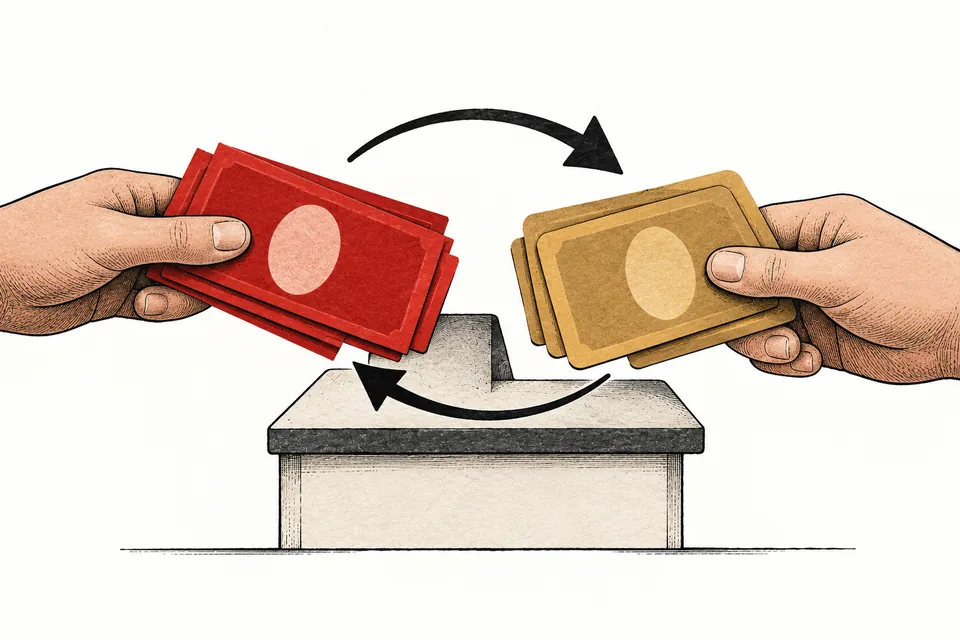
Learn what EUR/USD 1.1000 means, which currency you buy, why the price goes up or down, and how to flip a quote. Try it with a hands-on seesaw.