
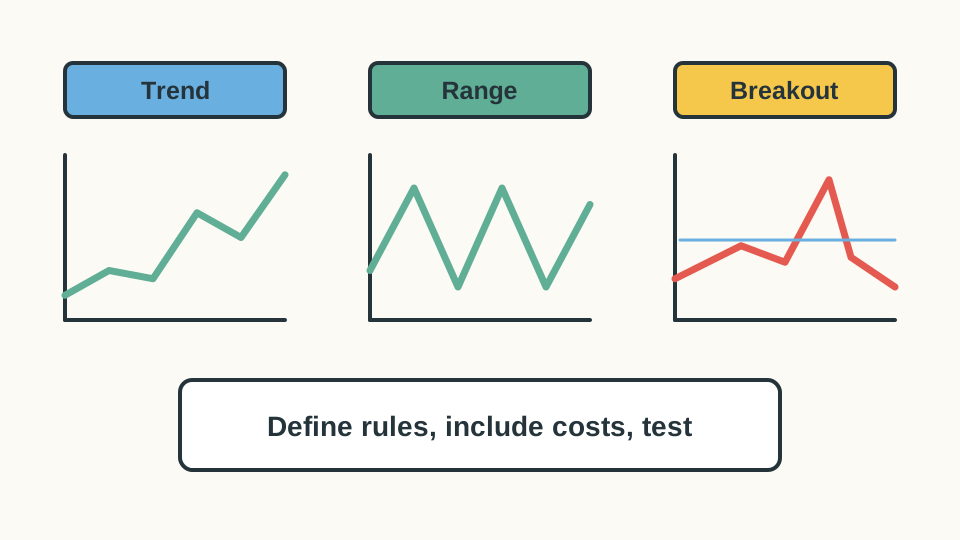
Forex
15 Forex Strategies and Patterns for Beginners (and How They Fail)
15 forex strategy ideas and chart patterns, from head and shoulders to carry trades: what each one bets on, how it fails and how to test one honestly.
Opening a forex account takes minutes. Checking the firm behind it takes longer, and it matters more. Use this checklist before you send any money.
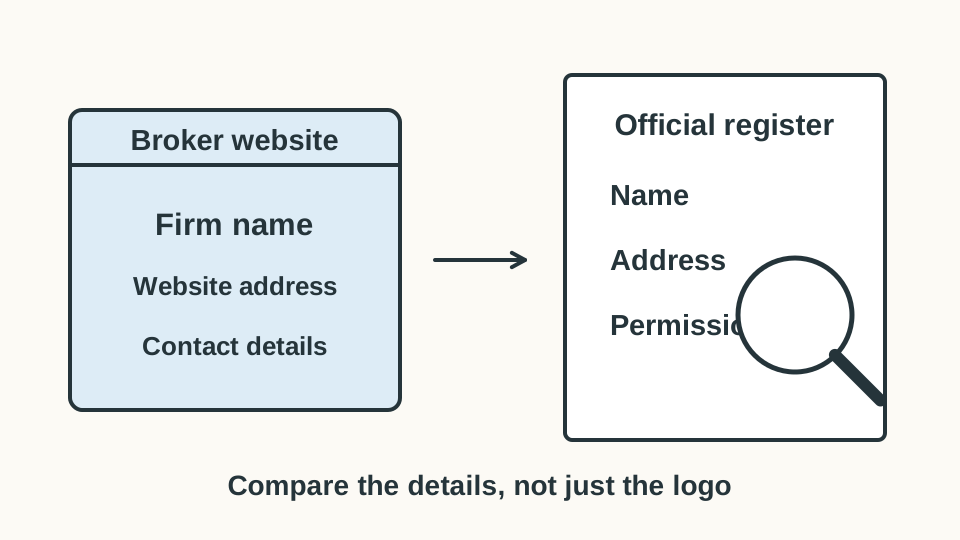
Find the exact company you would sign with, and check it on your regulator's own register.
Learn the basics and practise with virtual money first. If you still want to trade after that, the next step is the one many people skip: checking the firm.
A low minimum deposit, a well-known trading platform or a row of regulator logos is not enough. You need to know which company you would sign with, what it may offer where you live, and what it really costs.
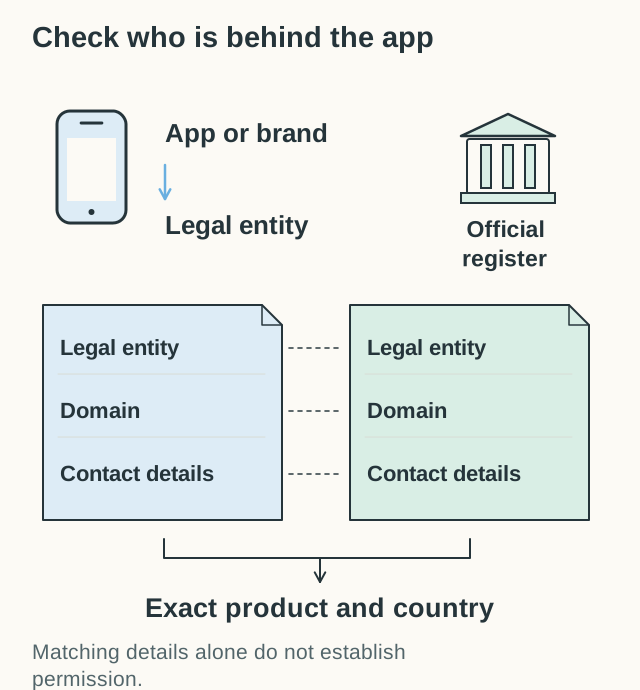
One brand can run several companies. A website may send US, Canadian, UK and Australian customers to different ones. Copy the legal name, registration number and address from the for the account you would open. The company on the marketing page may not be the one you deal with.
Also check what you would be buying: real currency, US retail forex, futures on an exchange, or . Each comes with different rules and protections.
Look the company up on the official register for where you live. Don't rely on a list of famous regulators. The rules depend on your country and on what the firm does for you.
| Where you live | Official place to check | Question to answer |
|---|---|---|
| United States | CFTC and NFA BASIC | Is the right company registered for this activity? |
| Canada | Your provincial or territorial regulator, the national registration search and CIRO | Can it serve you in your province? |
| United Kingdom | FCA Firm Checker and Financial Services Register | Does it have permission for this product? |
| Australia | ASIC professional registers and the AFS licence | Do the licence and permissions match the offer? |
Good places to start:
Registration lowers some risks. It does not promise profits, and it does not rule out fraud.
Fraudsters copy the name and registration number of real firms. Then they change the website, email or phone number. The FCA calls these clone firms.
So use the contact details on the official register, not the number in an advert or a message. If a salesperson says the register is out of date, check with the regulator directly.
Don't send ID documents until you are sure who you are dealing with. A registration number that belongs to someone else is a warning sign, not a near miss.
Try it yourself
Read each message from a made-up forex firm. Tap Red flag or Seems fine, then see which words gave it away.
4 of the 6 messages are red flags: a new phone number instead of the register's, an offshore company for more leverage, a deposit bonus with a count of regulators, and guaranteed monthly returns. 2 seem fine: one names the exact company and points to the register, and one shares the full terms without rushing you.
What would you expect?
What this shows: Logos, bonuses and new phone numbers prove nothing. Only the regulator's own register, checked by you, shows who you are dealing with.
Fraudsters copy real firms' names and numbers, and one brand can run several companies. Look up the exact company yourself, and use the contact details on the register.
Ask for the spread, the commission and whether it is charged each way, overnight fees, currency conversion and withdrawal fees. A raw or zero-spread label says nothing about the total bill.
Compare using the same example. Take 10,000 euros of EUR/USD in a US dollar account, where one pip is $1. Account A has a 2-pip spread and no commission, so a quick round trip costs about $2. Account B has a 0.4-pip spread plus $1 commission each way, so it costs $2.40. These are teaching numbers, not real broker prices.
Compare the same pair, size and time of day. A spread advertised as "from 0.1 pips" is not always the spread you will get. The spread lesson shows how to turn quotes into money.
Find out four things before you trade:
Rules differ by country. US NFA deposit rules are not the same as UK or Australian CFD rules. A high leverage limit is not a reason to use it.
Ask what happens if several trades lose at once. Margin is not a loss budget, and an ordinary stop does not promise your exit price. The firm may close your trades in its own order, so read the rules before you need them.
In a , check the order ticket. Look at the units, the currency, the buy and sell prices, the stop type and the confirmation. Learn how to cancel an order, find your open trades and notice when prices stop updating. Practise changing the size of a trade and closing it.
A demo cannot show how real orders will fill, or how withdrawals work. Read the withdrawal times, fees, bank rules and complaints process separately. A friendly live chat is useful. But it cannot tell you if the firm has enough money, or what protects you.
Save a short note for each firm with:
Don't call a firm the best because it wins on one number. If something important is still unclear, your check is not finished.
Not sure you are ready? Work through the forex practice workbook and learn how to spot forex scams. When you are ready to compare providers, start with our forex broker comparison.
Many firms accept small deposits, but the deposit is not the main question. First check the firm, the product and the costs. Then practise with virtual money until you understand what a loss would cost you.
Regulation lowers some risks, but it does not promise profits or rule out every problem. Check that the exact company you sign with is registered where you live, and read its terms on losses and withdrawals.
A fake firm that copies the name, registration number or website of a real, authorised firm. Protect yourself by using only the contact details on the regulator's own register.
15 forex strategy ideas and chart patterns, from head and shoulders to carry trades: what each one bets on, how it fails and how to test one honestly.
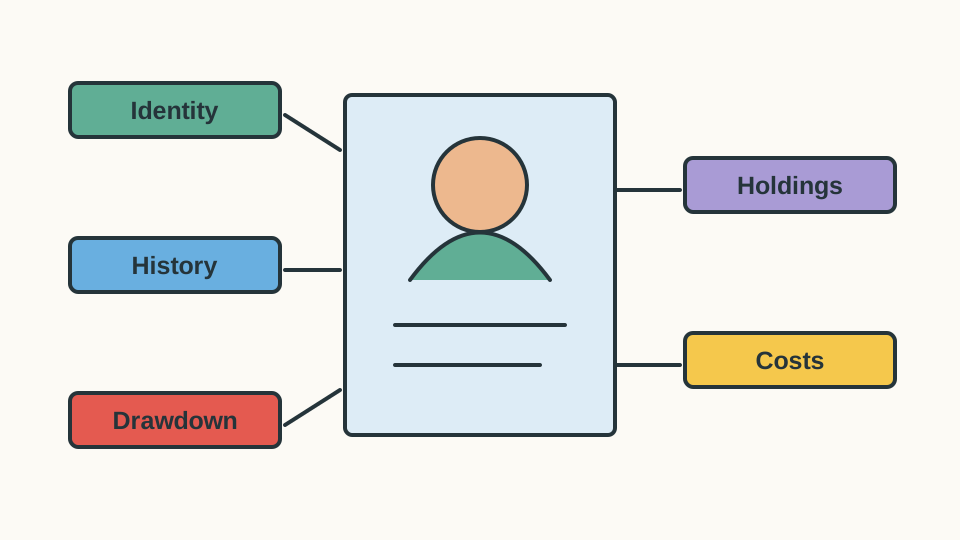
Find better eToro traders to copy in 5 steps: check the record, the deepest fall, big bets, the risk score and who gets paid, before you risk money.